Mountain Biking in America
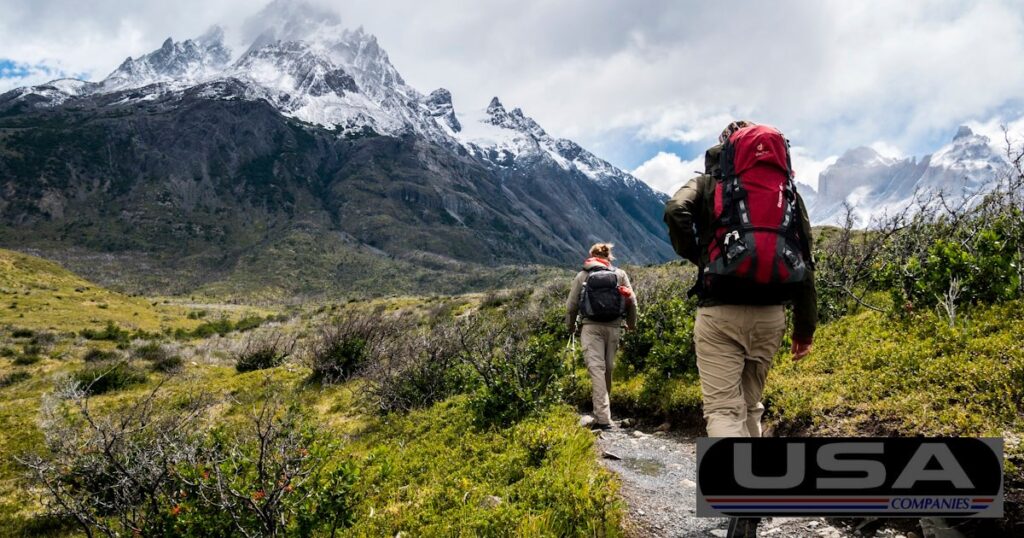
Mountain biking has grown from a fringe California sport in the 1970s into one of America's most popular outdoor pursuits, with dedicated trail systems in every state and a trail-building infrastructure created largely by volunteer labor. At its best, mountain biking combines athletic effort, technical skill, and the kinetic joy of moving through beautiful terrain at speeds that reward both bravery and precision. Whether you are a beginner exploring a groomed flow trail or an expert descending a technical alpine line, mountain biking offers a unique way to experience the American outdoors.
Why It Matters
This subject carries more force when it is read in the larger American story behind it.
At The Center Of It
Mountain biking offers access to some of America's best landscapes at speed and in the dirt. From beginner green trails to technical black diamonds, there is a trail for everyone.
The Main Ideas
These sections clarify the subject, deepen it, and connect it to the larger constitutional picture around it.
Types of Mountain Biking Terrain
Trail difficulty in mountain biking is rated on a system similar to ski runs: green (easiest), blue (intermediate), black diamond (difficult), and double black diamond (expert). Cross-country trails emphasize endurance and climbing efficiency. All-mountain and trail riding balance climbing with technical descending. Enduro racing tests descending speed over multiple timed stages. Downhill biking uses chairlifts or shuttles to reach the top of gravity-fed descents and prioritizes speed and technical challenge. Most recreational riders thrive in the trail and all-mountain categories on properly rated intermediate terrain.
America's Best Mountain Bike Destinations
Moab, Utah is the most iconic mountain bike destination in the country – its Slickrock Trail is arguably the most photographed single mountain bike trail in the world, and the surrounding area offers hundreds of miles of varied terrain. Bentonville, Arkansas has invested massively in trail infrastructure and now hosts the UCI Mountain Bike World Cup. Sedona, Arizona offers stunning red rock scenery on well-maintained trails. Whistler, British Columbia is technically in Canada but is the benchmark for bike park development and attracts American riders by the thousands. Pisgah National Forest in North Carolina anchors the East Coast trail scene.
Trails Are Built by Volunteers
The remarkable network of mountain bike trails across the United States exists largely because of volunteer labor organized through the International Mountain Bicycling Association and hundreds of local trail advocacy organizations. Trail days mobilize thousands of riders who build, maintain, and restore trails using their own time and tools. This culture of stewardship – riders taking direct responsibility for the places they love – has earned mountain bikers access to public lands that might otherwise have remained closed to bikes. Getting involved with your local trail organization is one of the best ways to give back and meet the community.
Keep Moving
Use this page as a way deeper into the branch, then move outward into the related subjects that complete the picture.
Questions Worth Answering
These answers help the page stay useful to search while keeping the topic connected to its larger meaning.
What size mountain bike do I need?
Mountain bike sizing is based primarily on your height and inseam length. Most manufacturers publish fit guides specific to each model; when in doubt, visit a local bike shop for a proper fit. Frame sizes are labeled small through extra-large or numerically in centimeters. Wheel size also matters: 29-inch wheels roll over obstacles more easily and are preferred by most adult riders for cross-country and trail riding, while 27.5-inch wheels offer more agility for technical terrain and suit riders under about 5'6" better.
Do I need full suspension for mountain biking?
Not necessarily. Hardtail bikes – with front suspension only – are lighter, simpler, less expensive to maintain, and excellent for cross-country riding and learning proper technique. Full-suspension bikes add rear suspension travel that absorbs bigger impacts on technical terrain, improves traction on rough surfaces, and allows faster descending. Most beginners are well-served by a quality hardtail; full suspension becomes compelling as riders progress to more technical trails and faster speeds.
How do I find legal mountain biking trails near me?
The TrailForks and MTB Project apps are the most comprehensive databases of legal mountain bike trails in the United States, with user-submitted photos, difficulty ratings, and current conditions. Both are free to use. The IMBA website also maintains a trail finder and a directory of local chapters who can point you toward the best beginner-friendly trails in your region. Always confirm that a trail permits mountain bikes before riding – some multiuse trails are hiking-only.