


Colorado Statehood
Colorado entered the Union in 1876, a late western admission shaped by mining, railroad growth, territorial administration, and the need to stabilize a fast-changing mountain region inside the constitutional system.
How This State Entered The Union
Statehood is where constitutional structure meets regional history: the point where a place entered the Union as an equal state.
Admission To The Union
Colorado became the thirty-eighth state on August 1, 1876. The timing gave it the nickname `Centennial State`, tying its admission symbolically to the nation's hundredth year.
Path To Statehood
Colorado moved from territorial status into statehood after years of population growth driven by gold and silver, expanding settlement, and stronger rail and commercial connections to the rest of the country.
Why It Matters
Colorado shows how the Union kept extending westward through institutions rather than mere possession. Statehood turned a resource frontier into a place with full representation, durable law, and a clearer role in the national system.
Worth a Look

Est. 1776 Cap
$27.99
View Details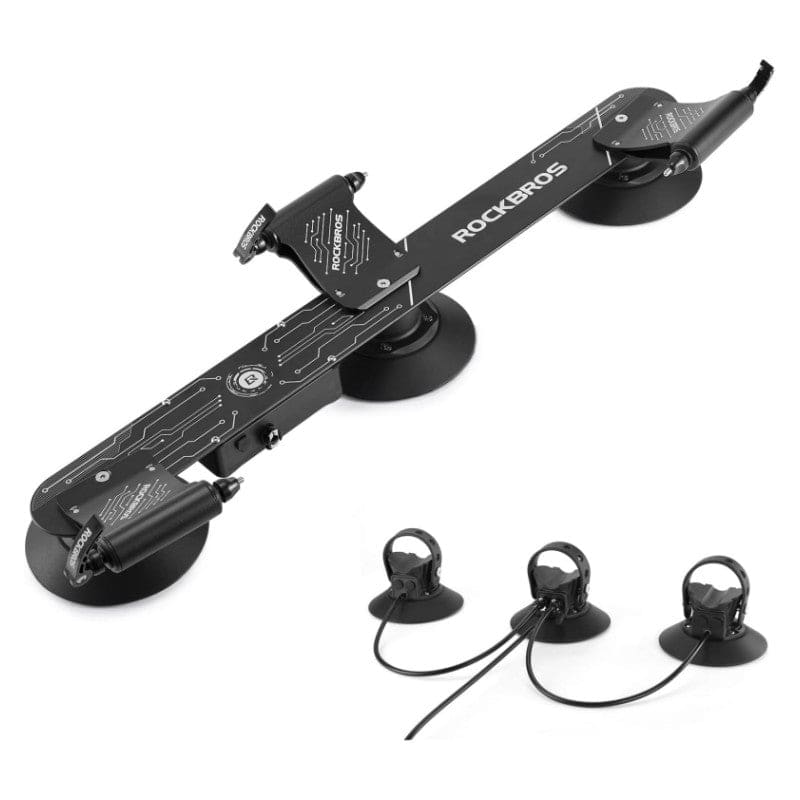
ROCKBROS Electric Suction Cup Bike Rack for 1-3 Bikes Safe Mount
$299.00
View Details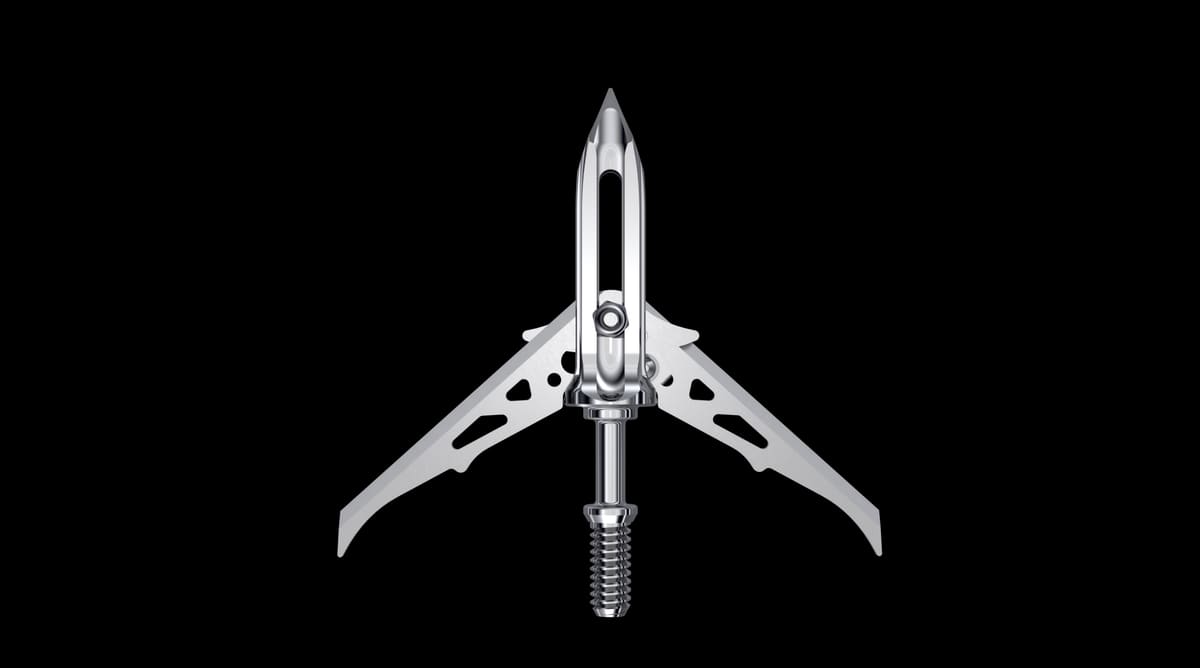
Ravin Steel Broadheads
$74.99
View Details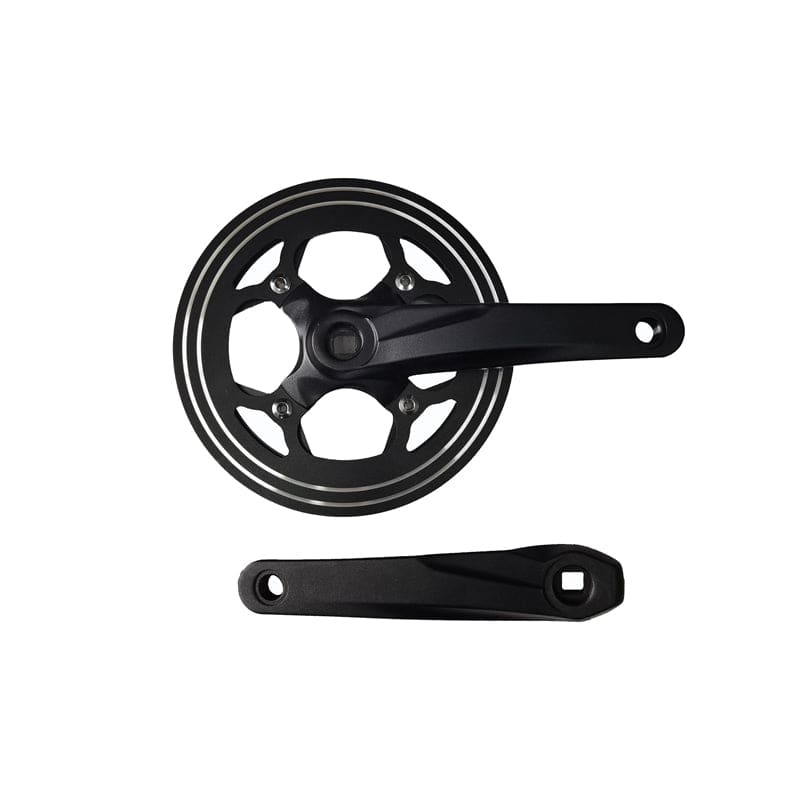
Dirwin Bike Crank Set
$55.00
View Details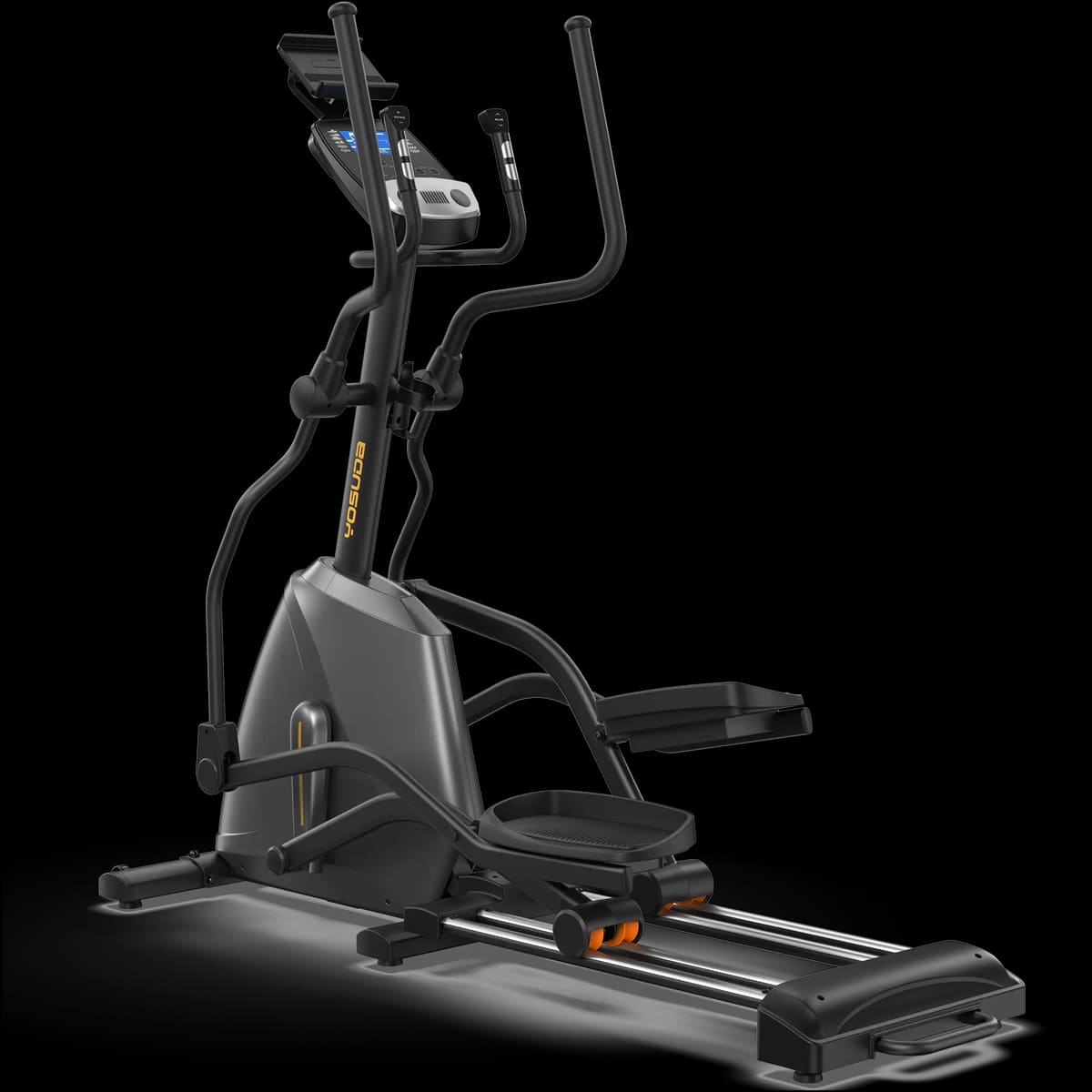
FED Fitness Yosuda Series EM2 Electromagnetic Elliptical Machine
$1499.99
View Details
Le Divine Lymphatic Bra Black
$105.00
View Details
Tween Bestie Bralette – Star/White
$5.00
View Details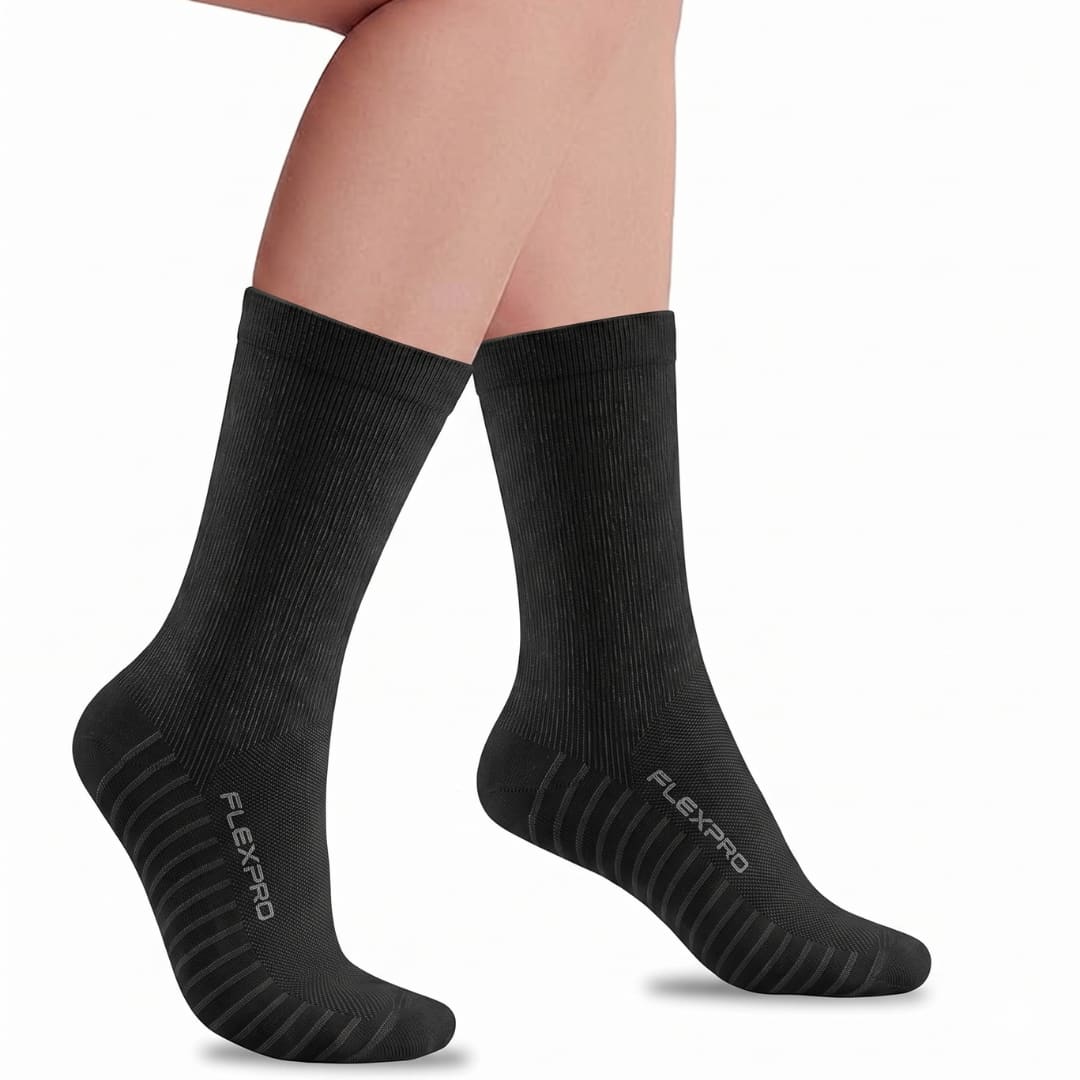
FLEXPRO Compression Socks
$39.99
View Details
Digestive Health Kit
$80.40
View Details
Shell Heart Pendant Chain Bracelet Gold
$39.00
View Details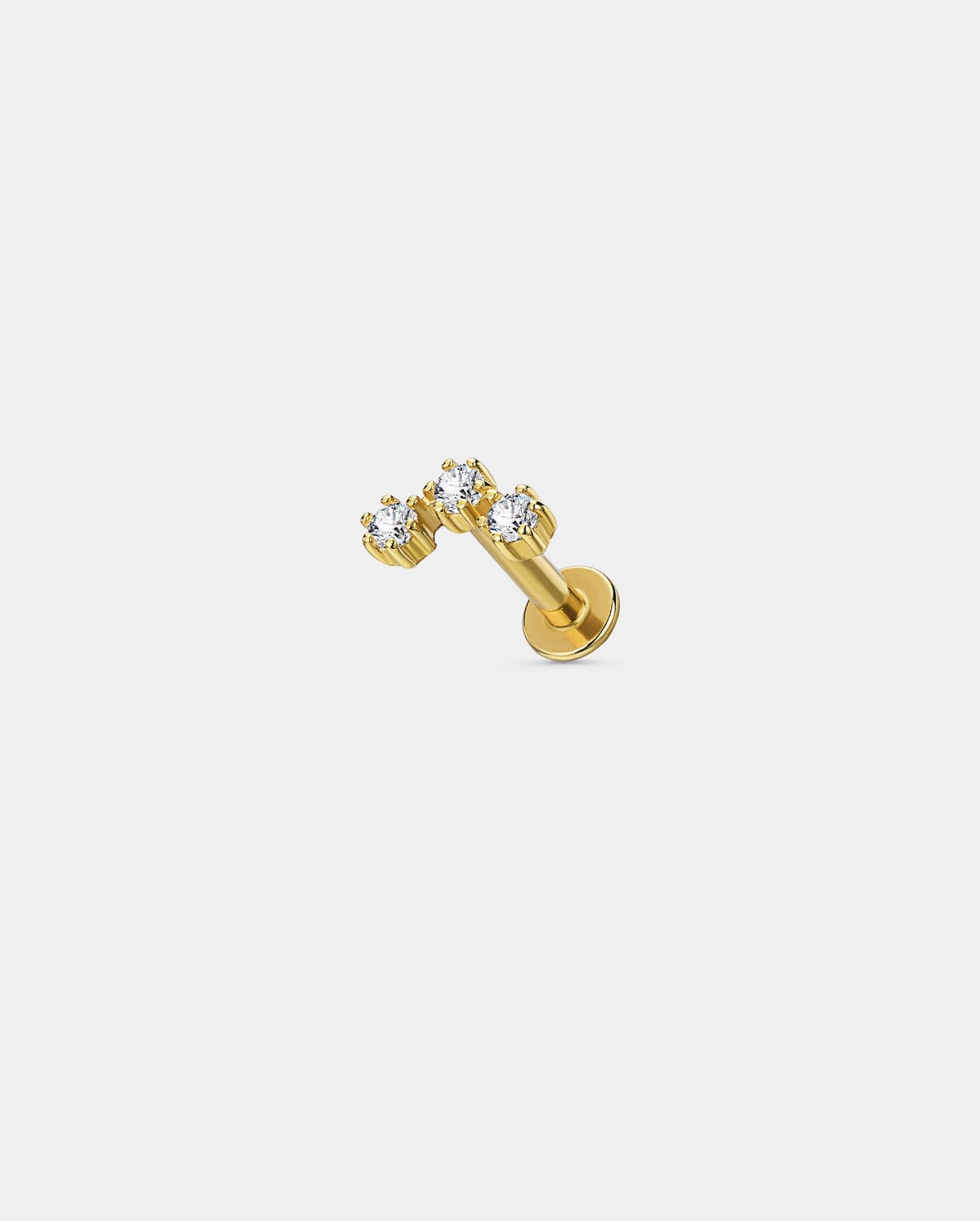
14K Solid Gold Triple Moissanite Cartilage Stud
$93.49
View Details
“BIGFOOT Tundra King – Wild Ride” – ASScoozie Design on FrostBuddy Universal Buddy | A Sweet Sip
$39.99
View Details
Farm LED Busy Board For 2 Years
$39.99
View Details
Veer
$49.99
View Details
Active Defence Leakproof Underwear (Black)
$31.95
View Details
MamaRaya Personalized Toddler Backpack
$42.99
View Details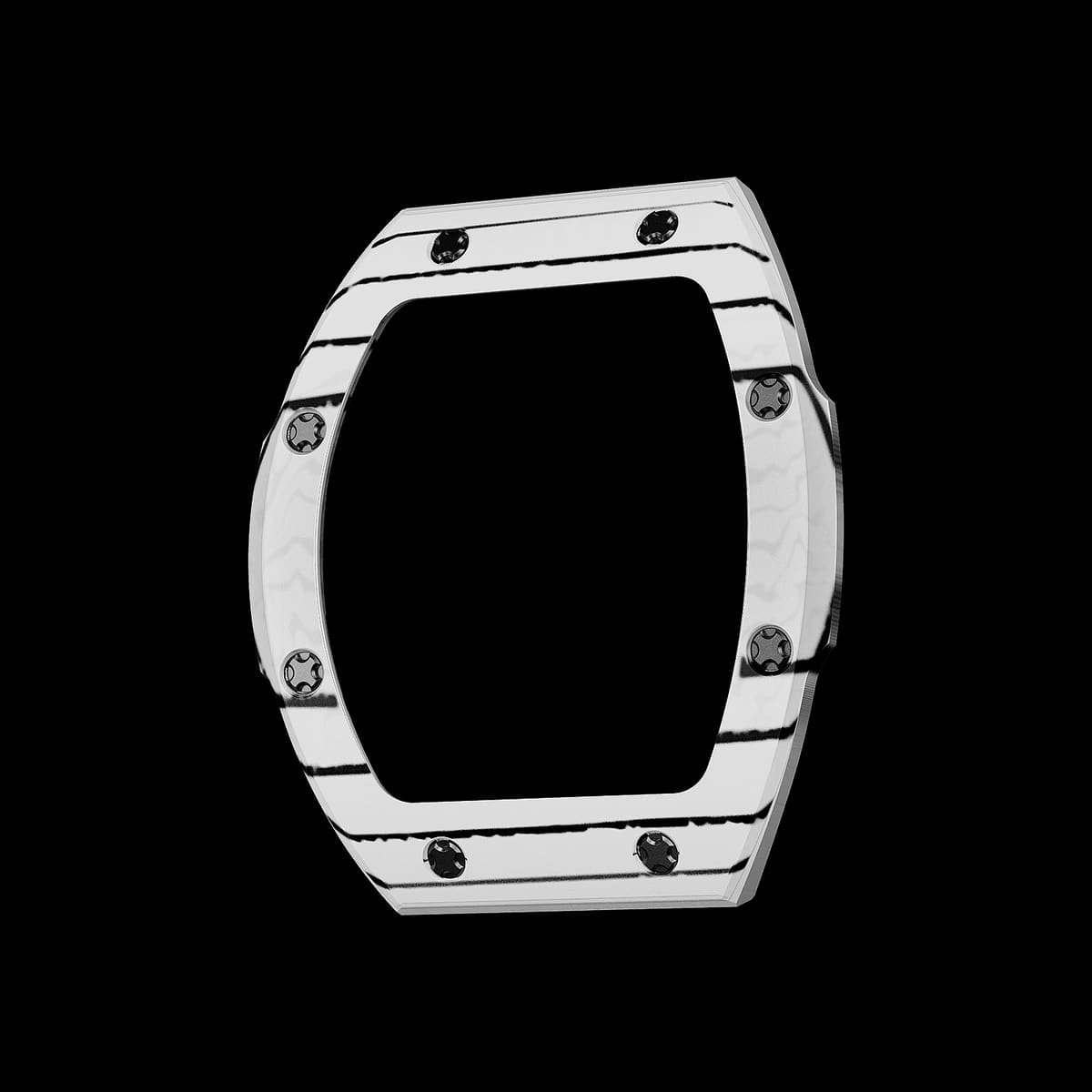
Atomic Interchangeable Bezel
$159.99
View Details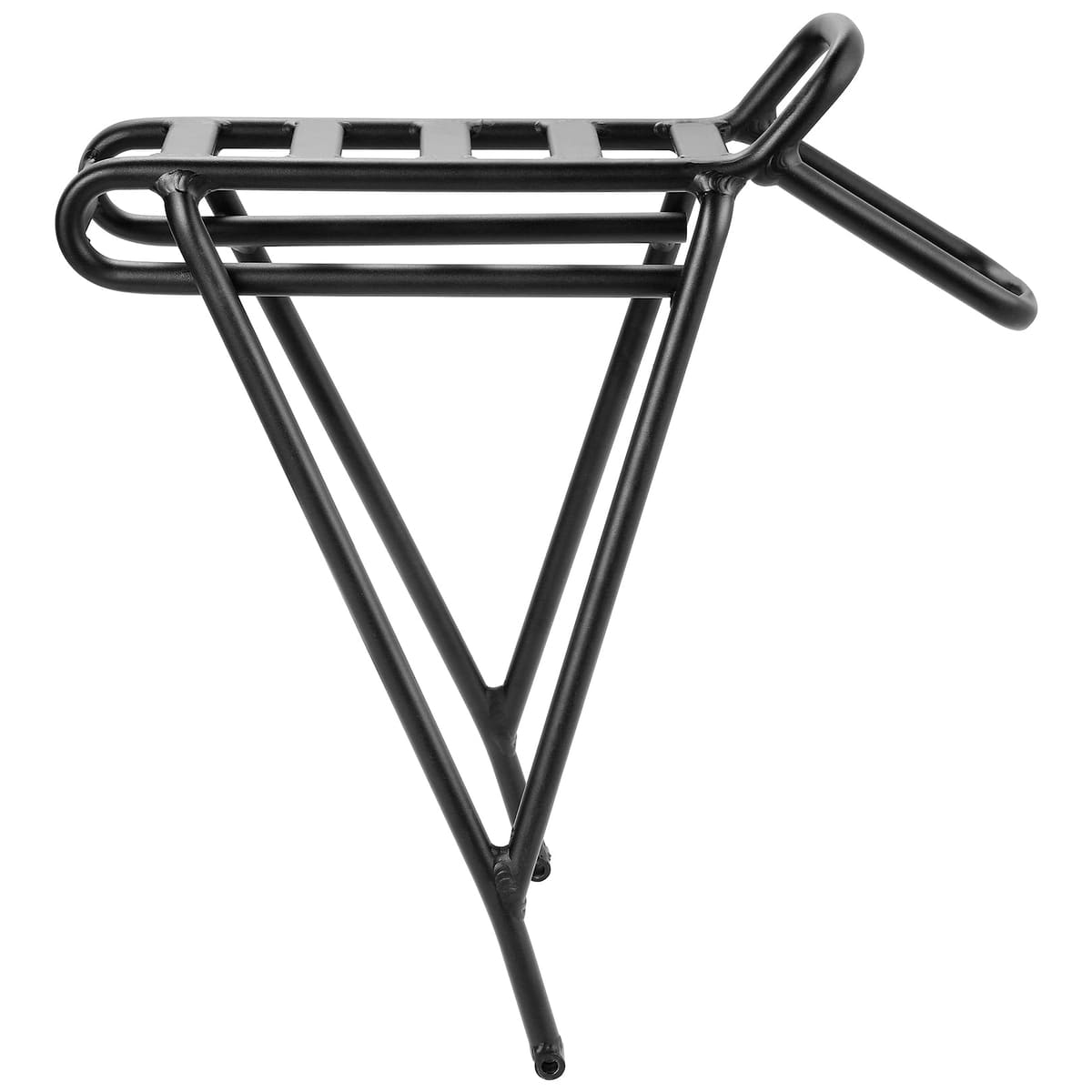
Rear Racks
$69.99
View Details
MC 48V/14.5AH Trike Battery for FT1/TK1 Fat Tire
$209.99
View Details
SENSO Hybrid – Moonlight Silver
$209.00
View Details
Rear Storage Basket for BURCHDA E-bikes
$129.00
View Details