
Mississippi Statehood
Mississippi entered the Union as lower-river settlement, cotton expansion, and Gulf access made the Deep South increasingly central to the early nineteenth-century republic.
How This State Entered The Union
Statehood is where constitutional structure meets regional history: the point where a place entered the Union as an equal state.
Admission To The Union
Mississippi became the twentieth state on December 10, 1817, after developing from territorial status along the lower Mississippi system.
Path To Statehood
Its route followed federal territorial administration, rapid southern settlement, and the broader expansion of plantation agriculture into the Gulf South.
Why It Matters
Mississippi matters because it shows how river geography, cotton, slavery, and Gulf access reshaped the Union in the decades before the Civil War.
Worth a Look
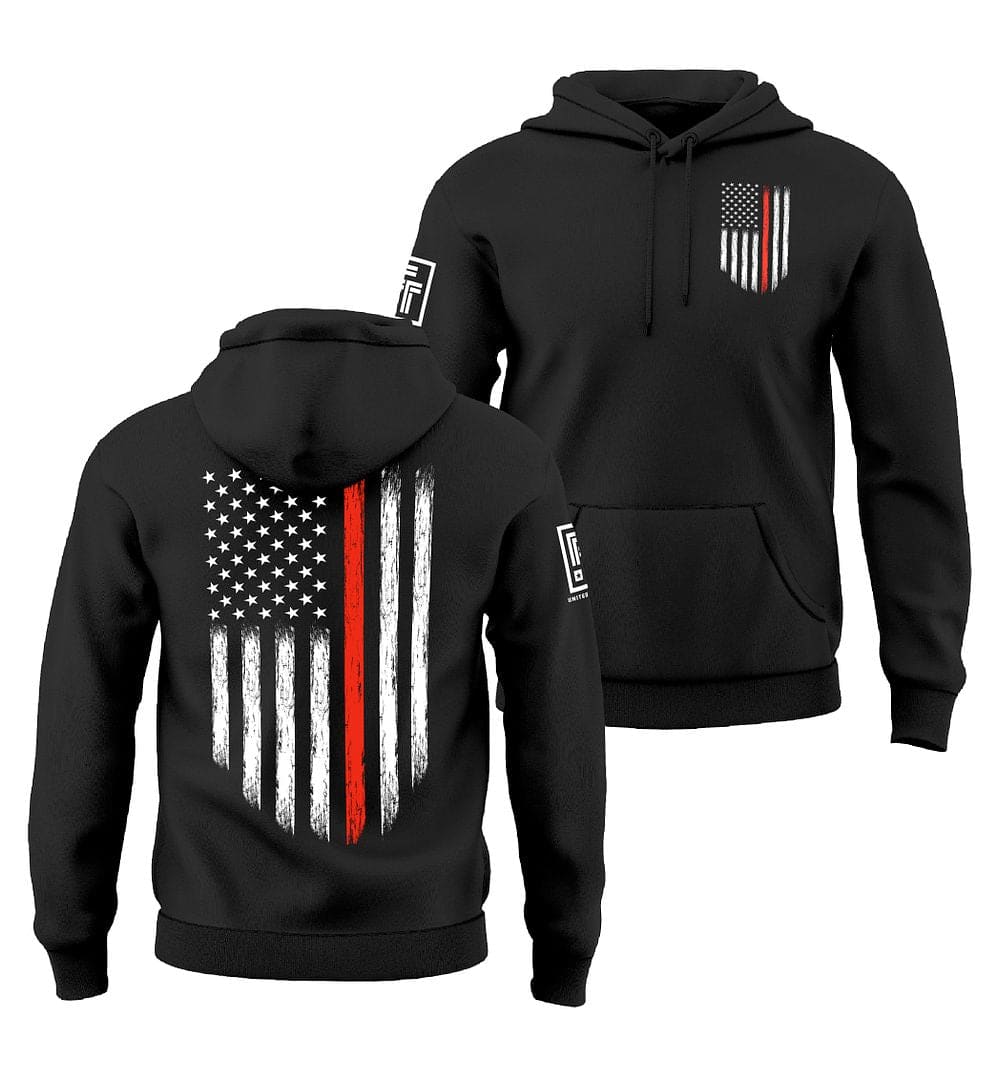
Thin Red Line Flag Sweatshirt
$44.95
View Details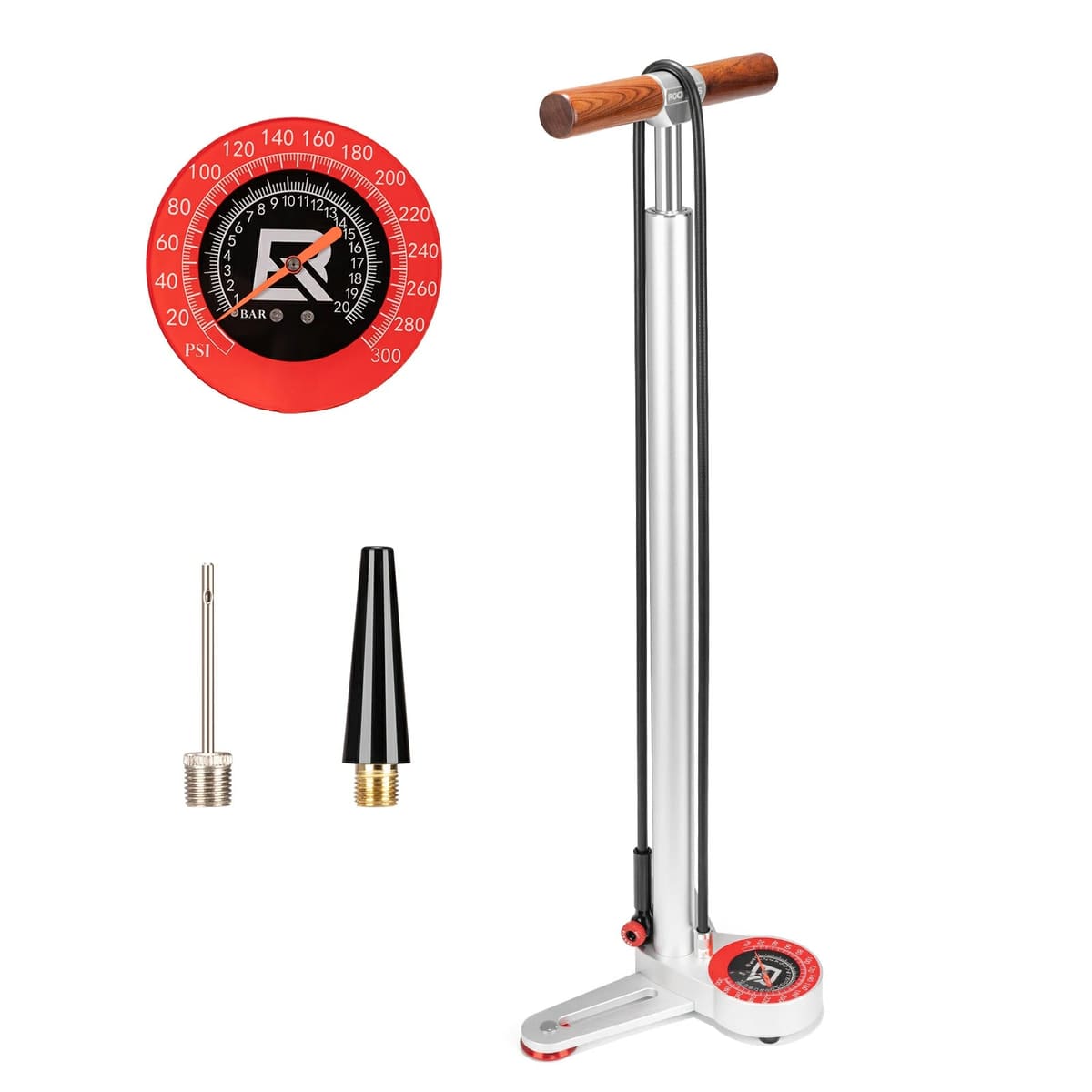
ROCKBROS 240PSI Classic Floor Drive 3.5 High Pressure Bicycle Floor Pump with Accurate 3.5" Analog Gauge – Silver
$139.99
View Details
Ravin R500 XK7
$2849.99
View Details
Pioneer Plus Dual Battery Electric Bike
$1999.00
View Details
FED Fitness Yosuda Series RM3 Magnetic Rowing Machine
$329.99
View Details
Lisse Compression Leggings
$150.00
View Details
Shirred Lounge Dress – Navy Blue
$17.50
View Details
UPHEAT 3-in-1 Heat Therapy Bundle
$149.99
View Details
Regenerative Support for Stem Cell Therapy
$144.90
View Details
Forget-Me-Not Charm Necklace Silver
$39.00
View Details
14K Gold Flower Petal CZ Labret Stud
$93.49
View Details
“Donkey Bingo Babe” – ASScoozie Design on FrostBuddy Universal Buddy | A Sweet Sip
$39.99
View Details
30PCS Collapsible Beach Toys Set for Kids Ages 3–10
$35.99
View Details
Veer
$49.99
View Details
Active Defence Leakproof Underwear (Black)
$31.95
View Details
MamaRaya Personalized Corduroy Pencil Case
$35.99
View Details
Elemental-TB8212
$999.99
View Details
UrbanGlide-Pro
$1099.00
View Details
TK Pro Electric Trike
$1699.99
View Details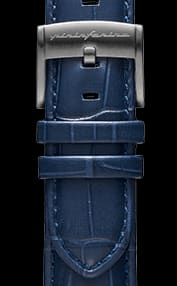
PININFARINA GENUINE ITALIAN LEATHER 22MM WATCH STRAP – Dressy Dark blue WITH STEEL BUCKLE
$34.00
View Details
Burchda RX20(2026 Upgraded)
$1039.00
View Details