
Judicial Branch
The judicial branch interprets law, resolves disputes, and protects constitutional boundaries through a layered system of federal courts culminating in the Supreme Court.
The judicial branch matters because a written Constitution means little if there is no forum strong enough to interpret it, apply it, and hold governments to it. Courts convert principle into judgment case by case.
Key Elements
- The Supreme Court is the highest court, not the whole judicial system.
- Lower federal courts handle the daily volume of federal litigation.
- Judicial review ties constitutional meaning to live disputes.
- The branch depends on law, reasoning, and legitimacy rather than force or appropriations.
Supreme Court and Lower Courts
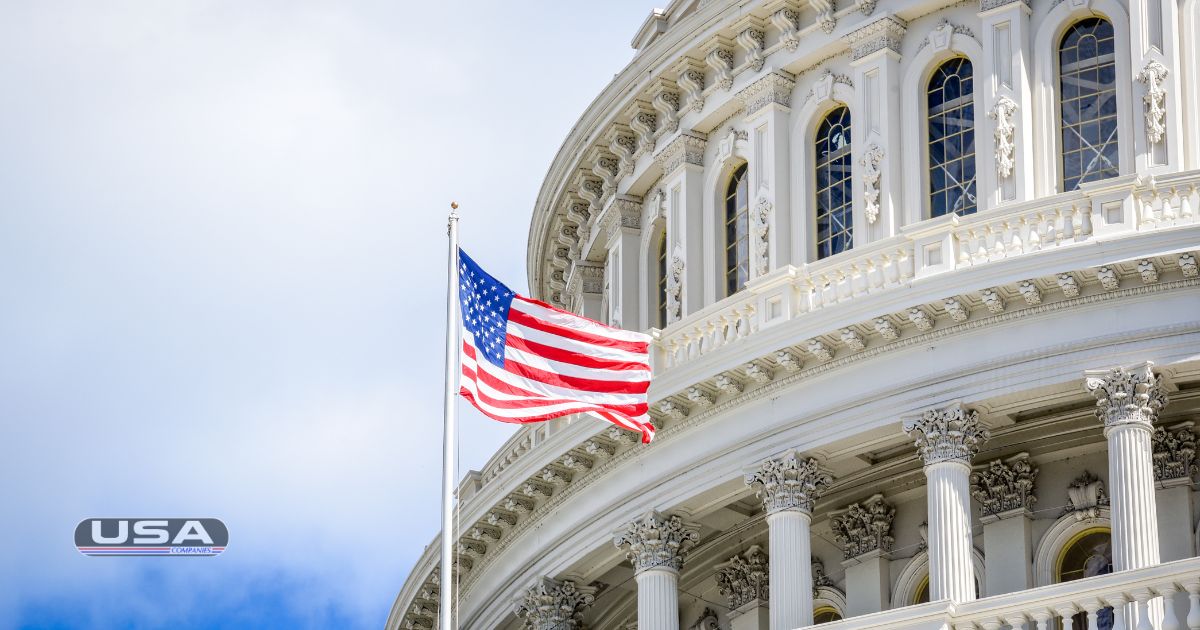
The Supreme Court sets major constitutional direction, but district courts and courts of appeals do most of the judicial work that affects litigants, agencies, and federal law in practice.
Judicial Review
Judicial review lets courts test statutes, executive actions, and government decisions against the Constitution and the laws enacted under it.
Past and Present Significance
This branch will later support pages for current justices, historically significant justices, and major constitutional cases so readers can move from structure into biography and legal turning points.
Questions Worth Answering
Is the Supreme Court the only court that matters?
No. The Supreme Court is the highest court, but district courts and appellate courts shape federal law every day and form the larger judicial structure beneath it.
How does the judiciary connect to federalism?
Federal courts interact with state courts, state law, and constitutional disputes in ways that make the judicial branch a major part of the federal-state balance.