
How States Joined the United States
New states did not join the Union through one identical script. Some were original ratifying states, others passed through territorial status, and a few came in through rarer paths such as republic annexation.
How Admission Worked
These guide pages explain the constitutional routes into the Union so the state-specific pages read as part of a larger civic and historical pattern.
Equal State Membership
A defining constitutional principle is that new states join the Union on equal footing rather than remaining permanently subordinate regions. That is one of the clearest differences between the American system and an empire holding territories indefinitely.
Territories, Ratification, and Annexation
Most later states passed through organized territorial status, but not all paths were identical. Original states ratified the Constitution, Ohio emerged from the Northwest Territory framework, and Texas entered after existing as an independent republic.
Why The Process Matters
The process matters because it shows that expansion was not only geographic. It was institutional. New places became part of the national structure through law, representation, and defined admission rather than mere control.
Worth a Look
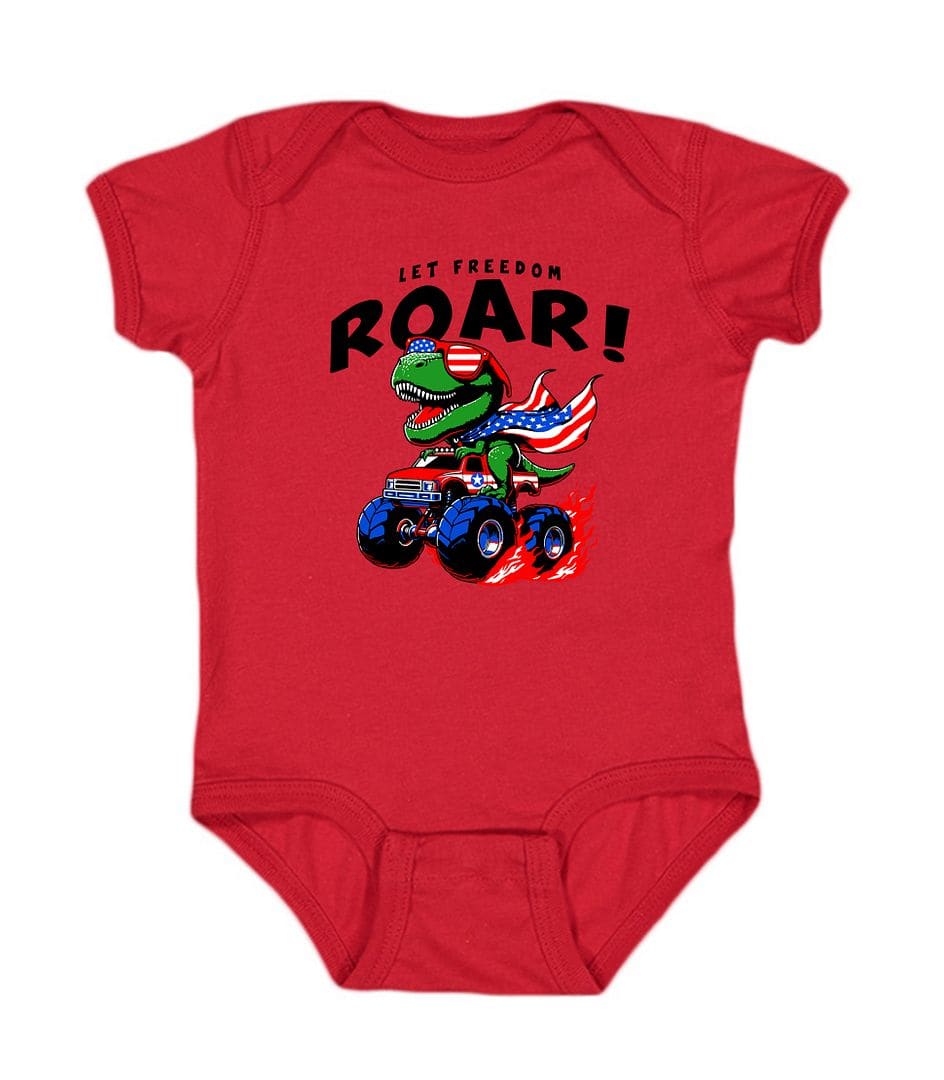
Let Freedom Roar Baby Bodysuit
$19.95
View Details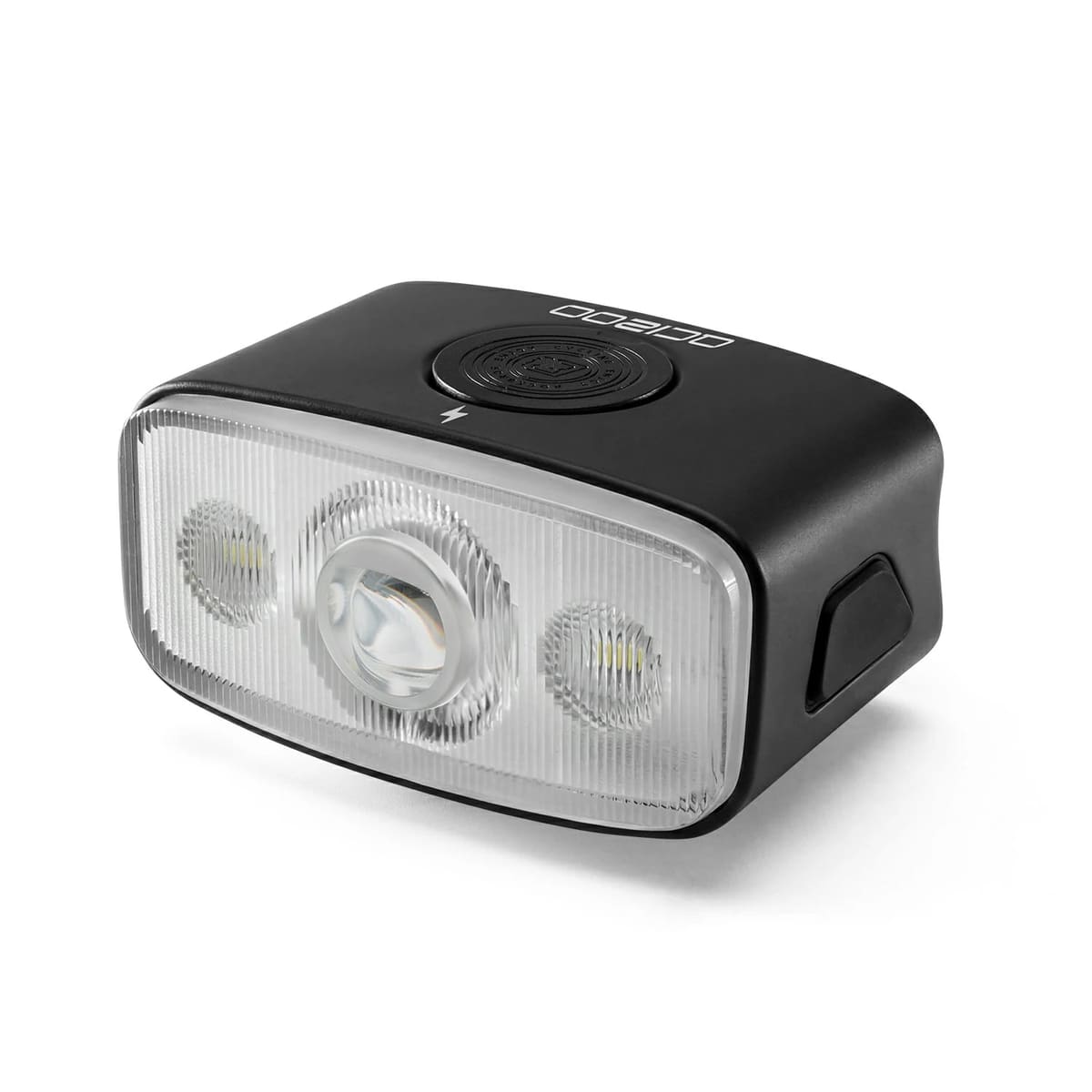
QC 1200 – Black
$67.99
View Details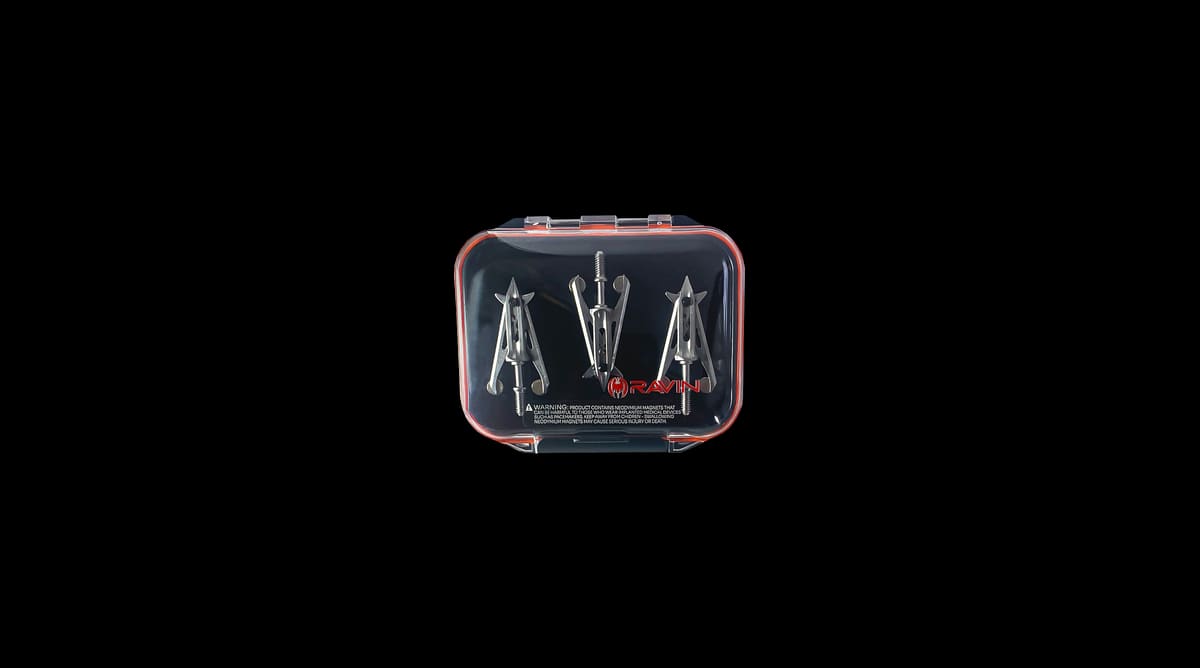
Ravin Broadhead Case
$54.99
View Details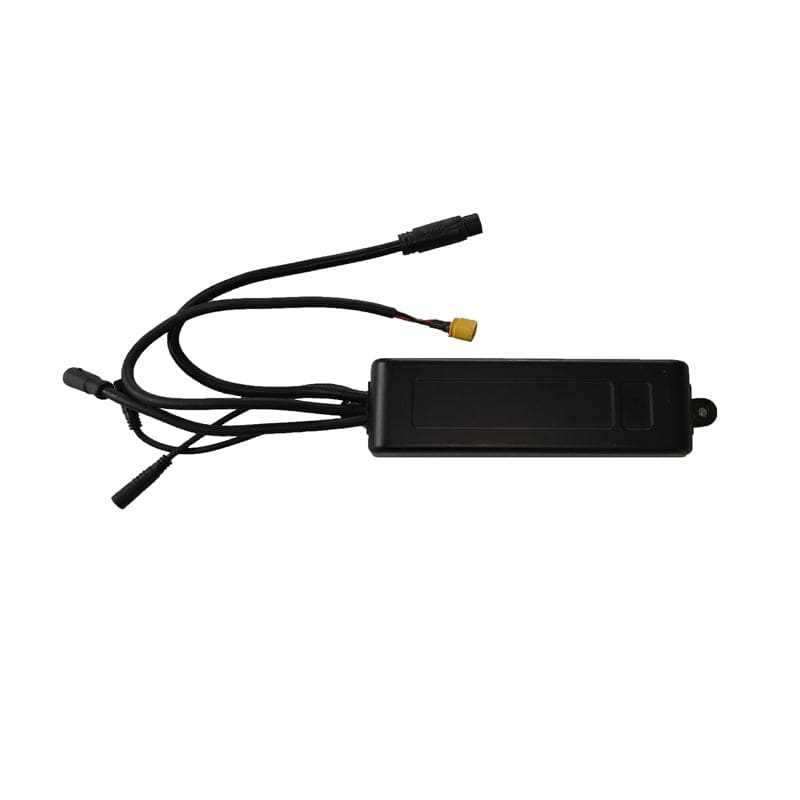
Dirwin Bike Controller
$98.00
View Details
FED Fitness Yosuda Series EB4 Foldable Exercise Bike
$139.99
View Details
Le Cha-Cha Jumpsuit
$450.00
View Details
Tank Bodysuit – Gray
$31.50
View Details
XPRESS Knee Compression and Heat
$119.99
View Details
Athletic Performance Health Kit
$104.80
View Details
Bead Chain Anklet Gold
$35.00
View Details
14K Gold Celestial Saturn Belly Ring
$161.49
View Details
“Bronco Country – Pride” – ASScoozie Design on FrostBuddy Universal Buddy | A Sweet Sip
$39.99
View Details
Basic AAC Communication Tool for Autism & Speech Therapy
$32.99
View Details
Piper
$49.99
View Details
Waterproof clothing carry case
$9.95
View Details
MamaRaya Personalized Muslin Baby Bib
$34.99
View Details
Elemental TB8210CF&TB8211Q Strap
$69.99
View Details
E-Bike ID Number Stickers (12 pcs)
$9.99
View Details
MC Trike Battery for MC 350
$269.99
View Details
Vanguard SINTESI Hybrid – Midnight Rose
$269.00
View Details
Original Battery for Burchda RX80/RX50/AZ20
$419.00
View Details