


California Statehood
California reached statehood with unusual speed. Gold, migration, Pacific strategy, and the pressure to govern a surging population pushed the state into the Union quickly after the Mexican-American War.
How This State Entered The Union
Statehood is where constitutional structure meets regional history: the point where a place entered the Union as an equal state.
Admission To The Union
California became the thirty-first state on September 9, 1850, as part of the Compromise of 1850, giving the United States a major Pacific state far earlier than many western territories achieved admission.
Path To Statehood
Following the Mexican-American War and the discovery of gold, California's population surged so quickly that a long territorial phase became impractical. Political necessity accelerated the move toward statehood.
Why It Matters
California illustrates how geography, migration, commerce, and sectional politics could force rapid constitutional decisions. Its admission helped redefine the scale and future direction of the United States.
Worth a Look
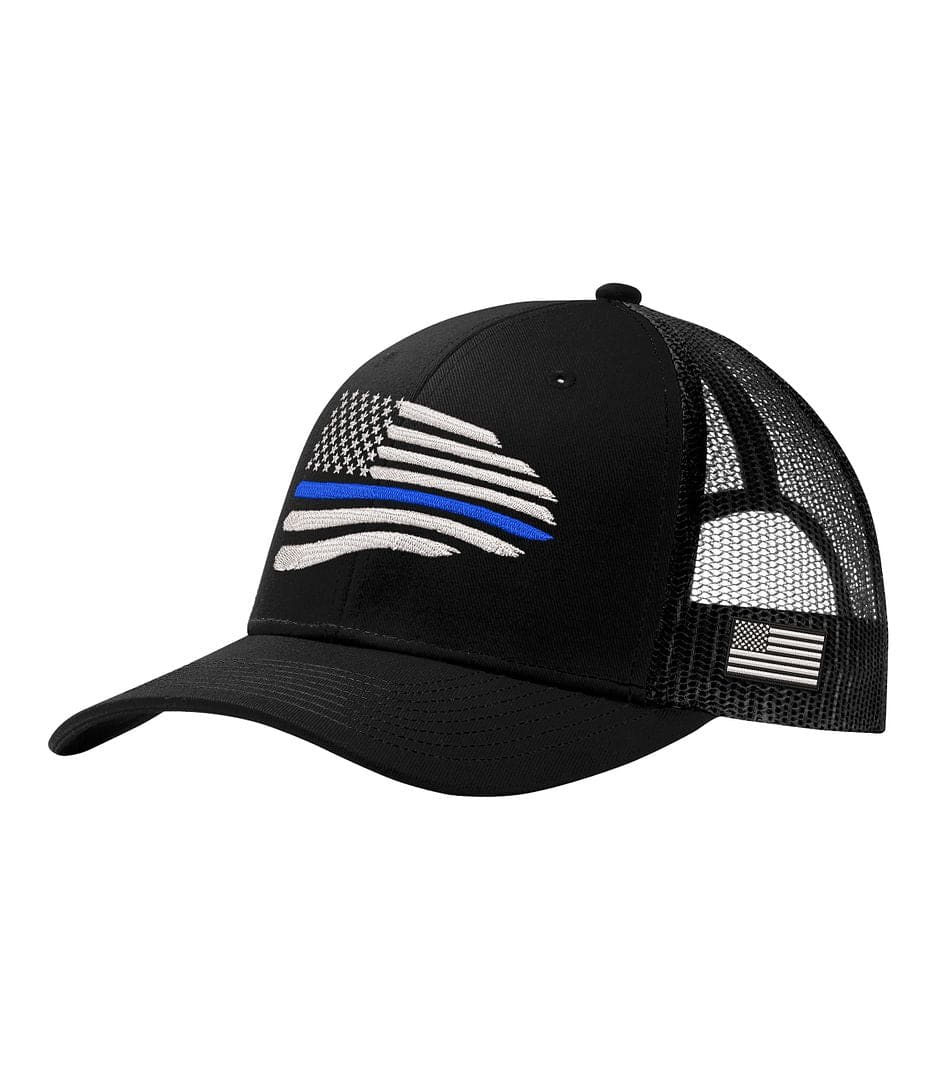
Thin Blue Line Flag Trucker Hat
$27.99
View Details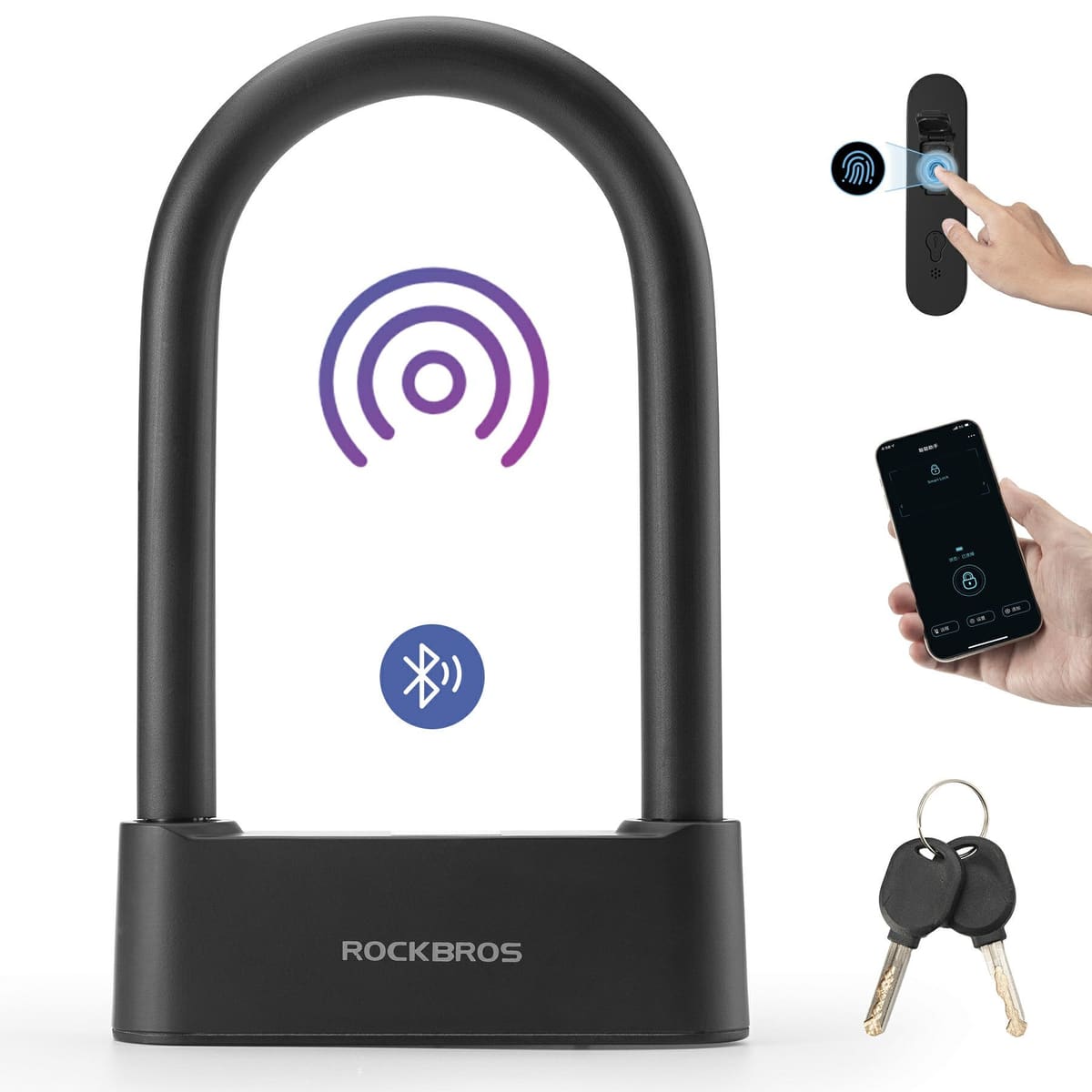
ROCKBROS Smart Bike U Lock with Fingerprint and App Control Waterproof
$96.99
View Details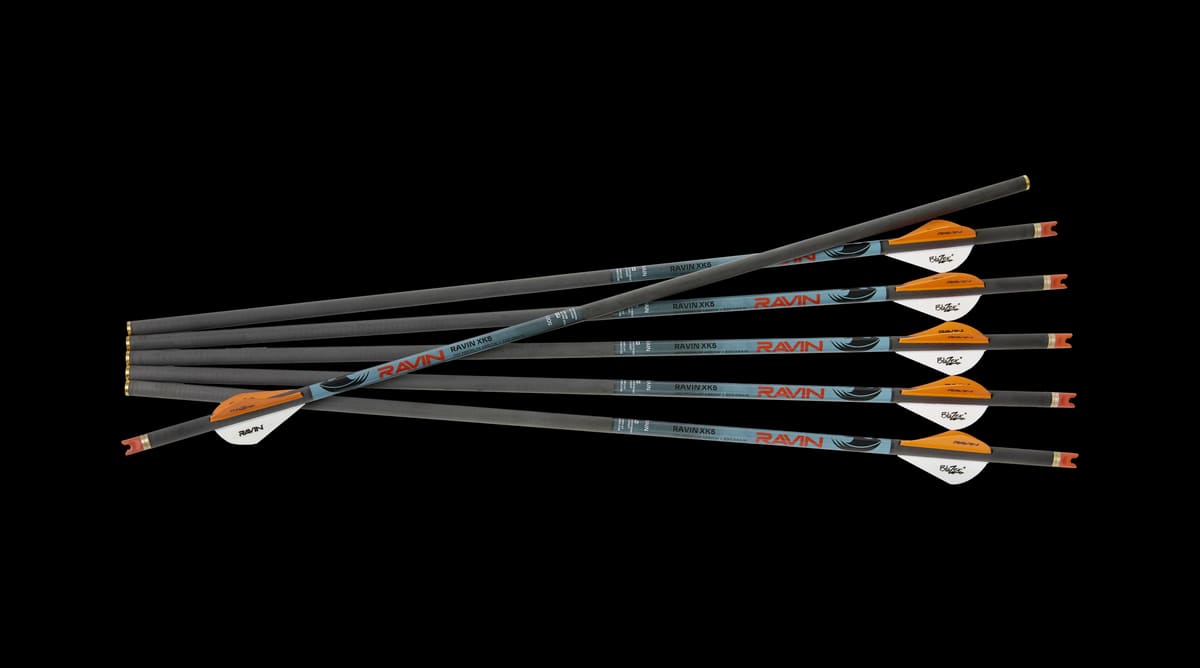
Ravin .001 XK5 Arrows
$139.99
View Details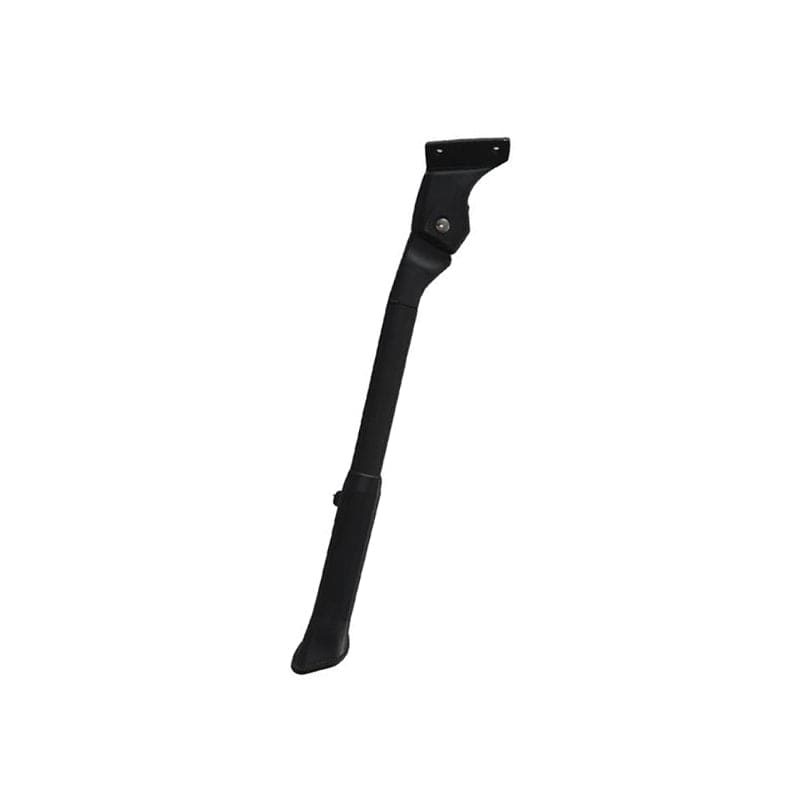
Dirwin Bike Kickstand
$55.00
View Details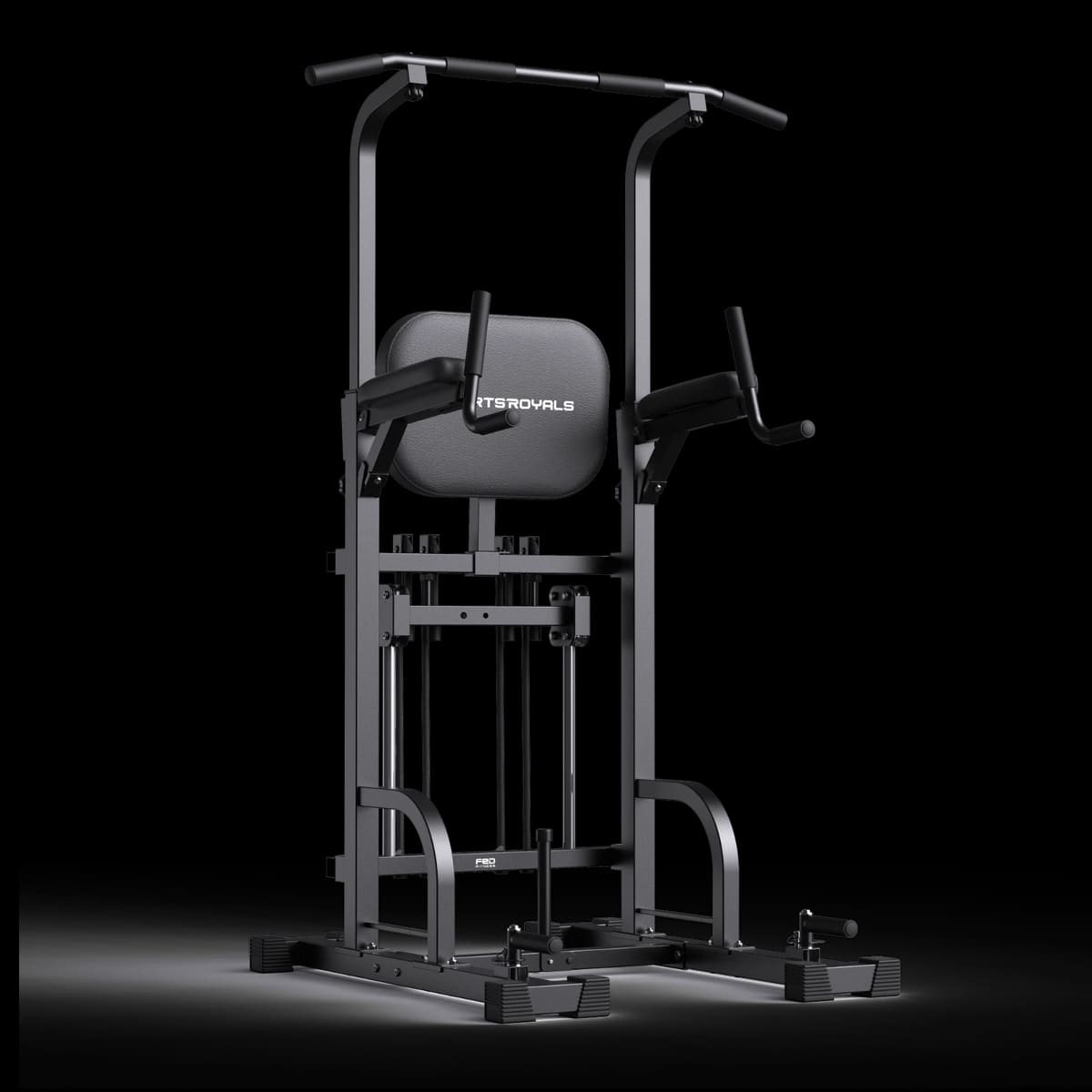
FED Fitness Sportsroyals Series PT4 Assisted Power Tower Pull-Up Machine
$349.99
View Details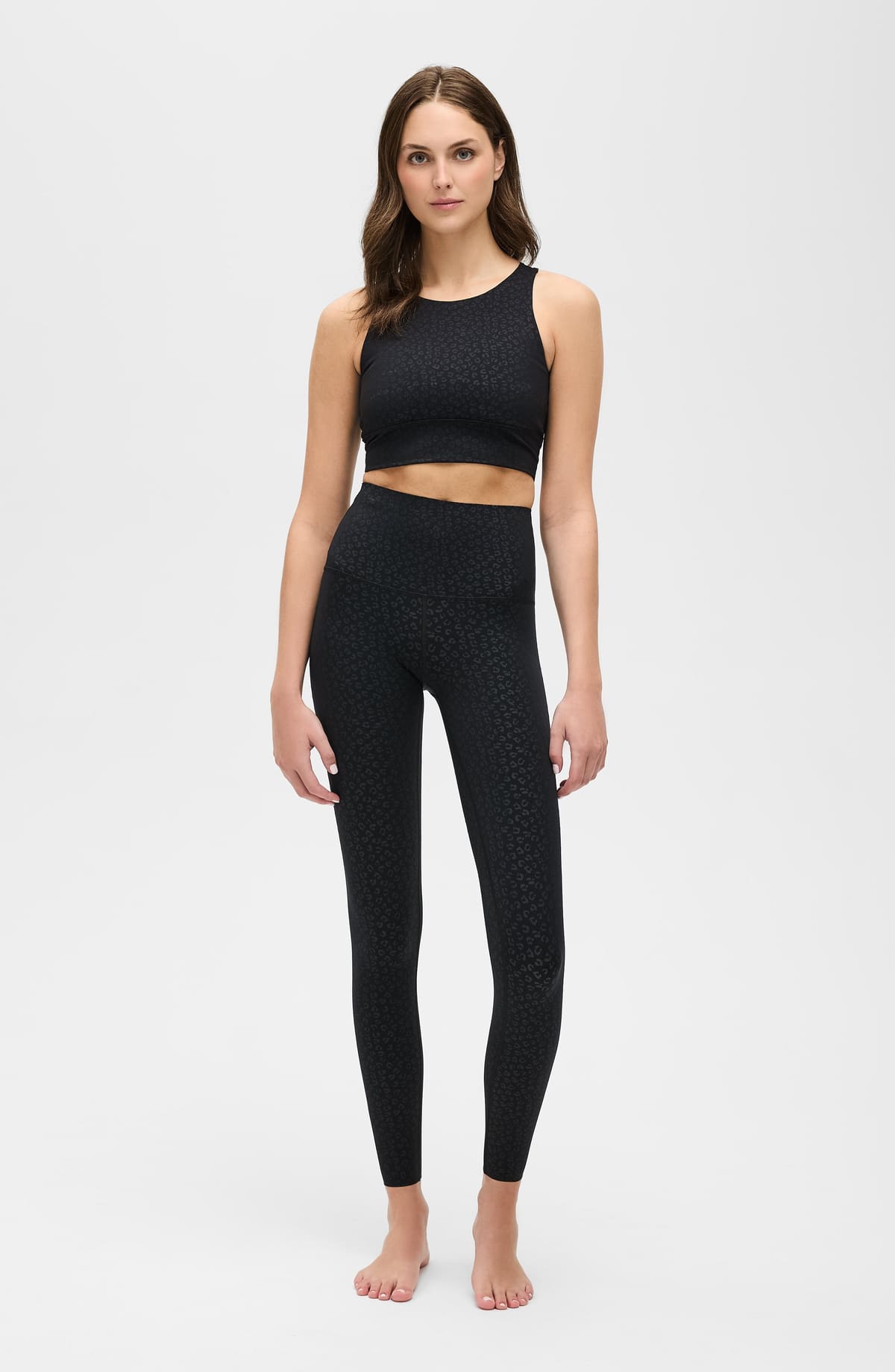
The Fierce Edit
$491.25
View Details
Long Camisole – Heather Grey
$99.75
View Details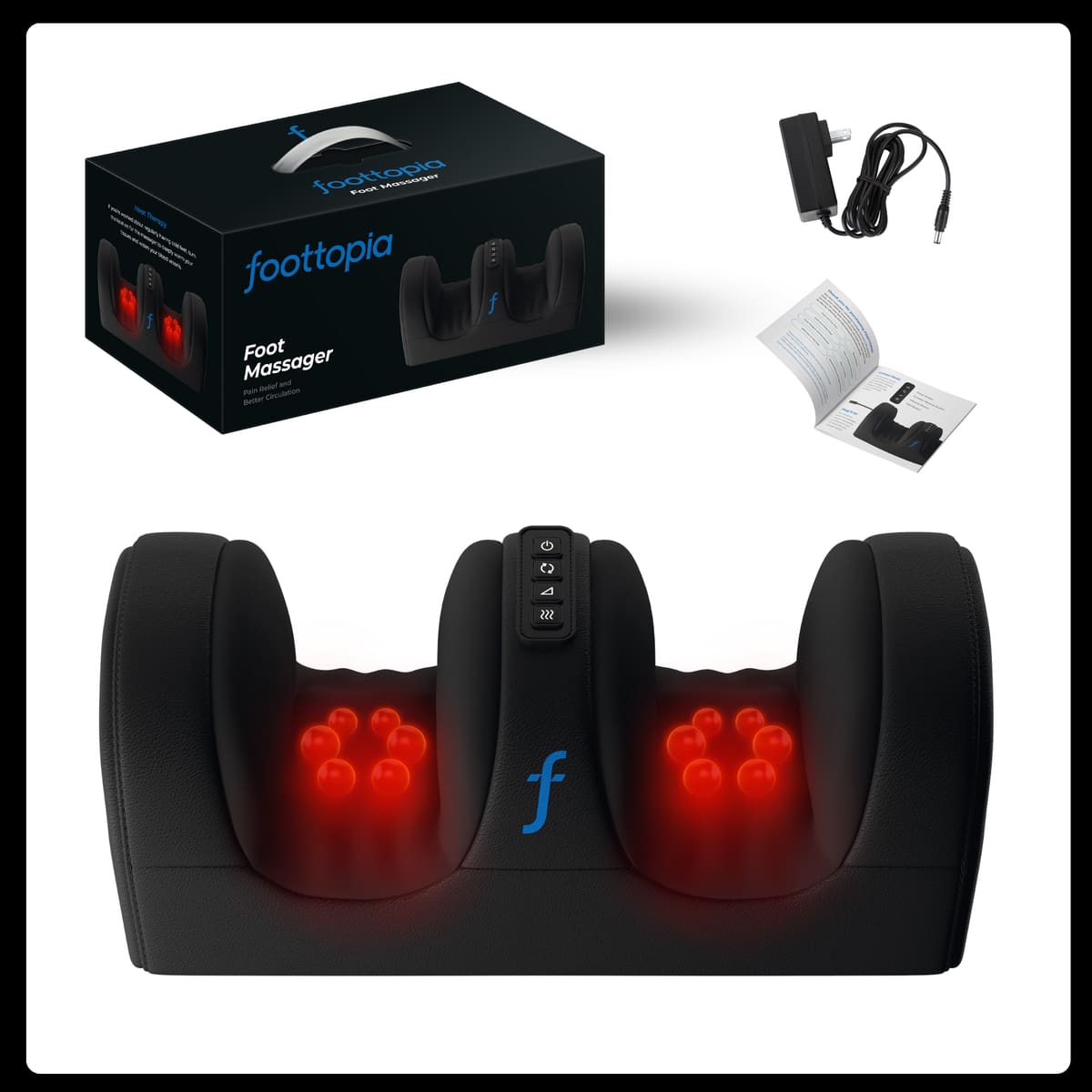
Foottopia Foot Massager
$99.99
View Details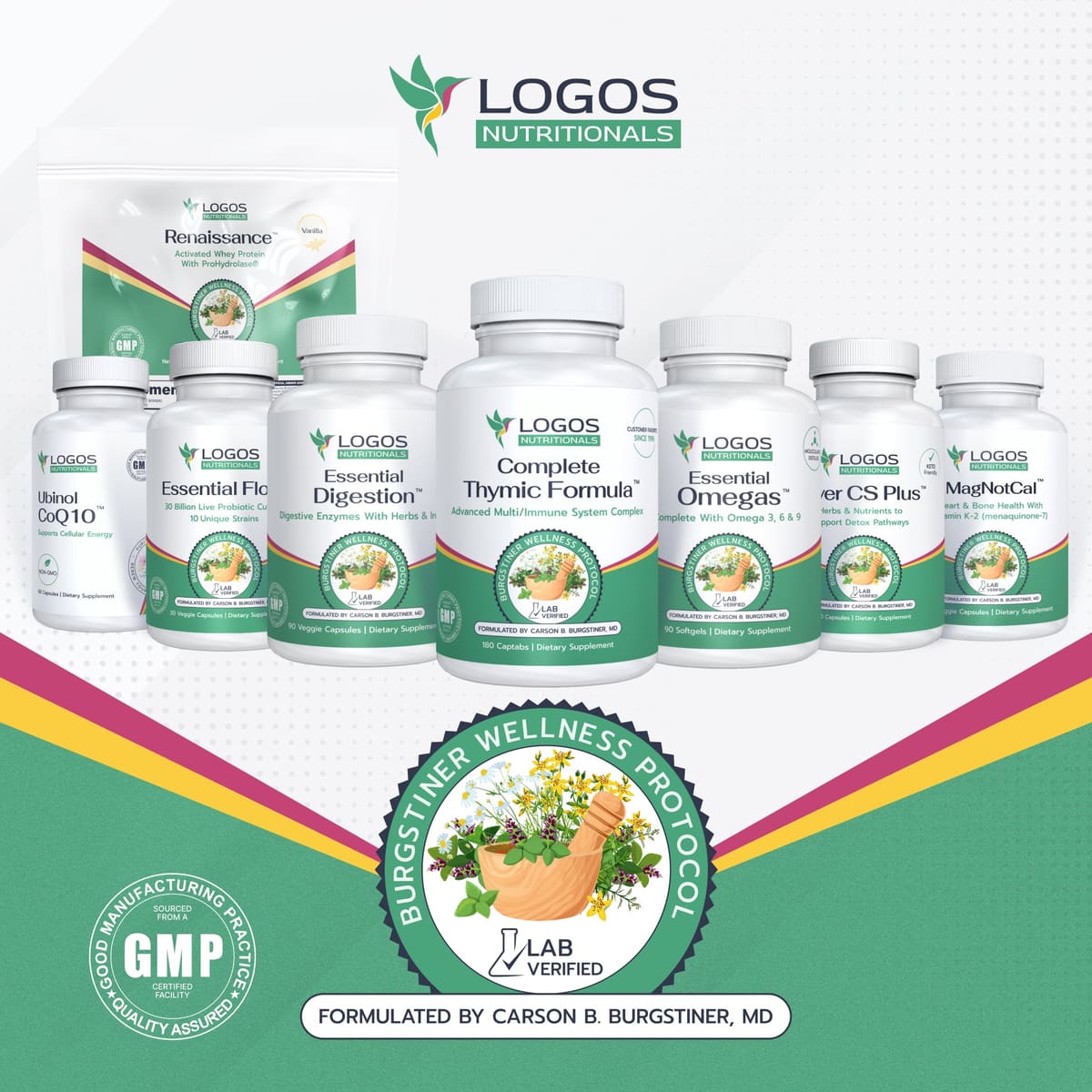
The Logos Lyme Disease Protocol & Extension
$202.50
View Details
Mid Round Hoop Earrings Gold
$35.00
View Details
14G 2PCS Spike Internally Threaded Titanium Eyebrow Ring
$9.99
View Details
“Hunting Lab – Campfire Companion” – ASScoozie Design on FrostBuddy Universal Buddy | A Sweet Sip
$39.99
View Details
Little Rhythms – Wooden Musical Instruments Sound Exploration Kit for Toddlers
$52.99
View Details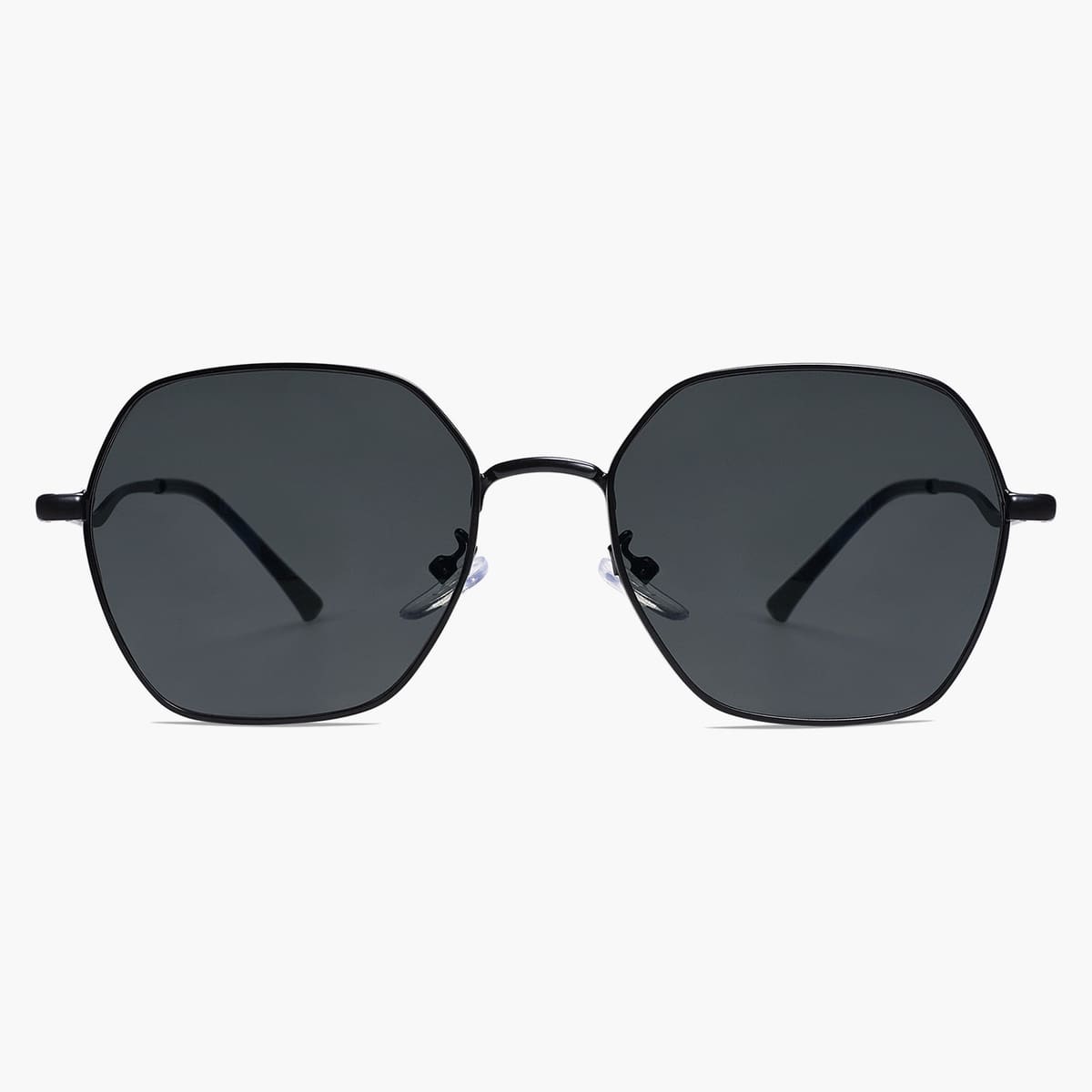
Iris
$19.99
View Details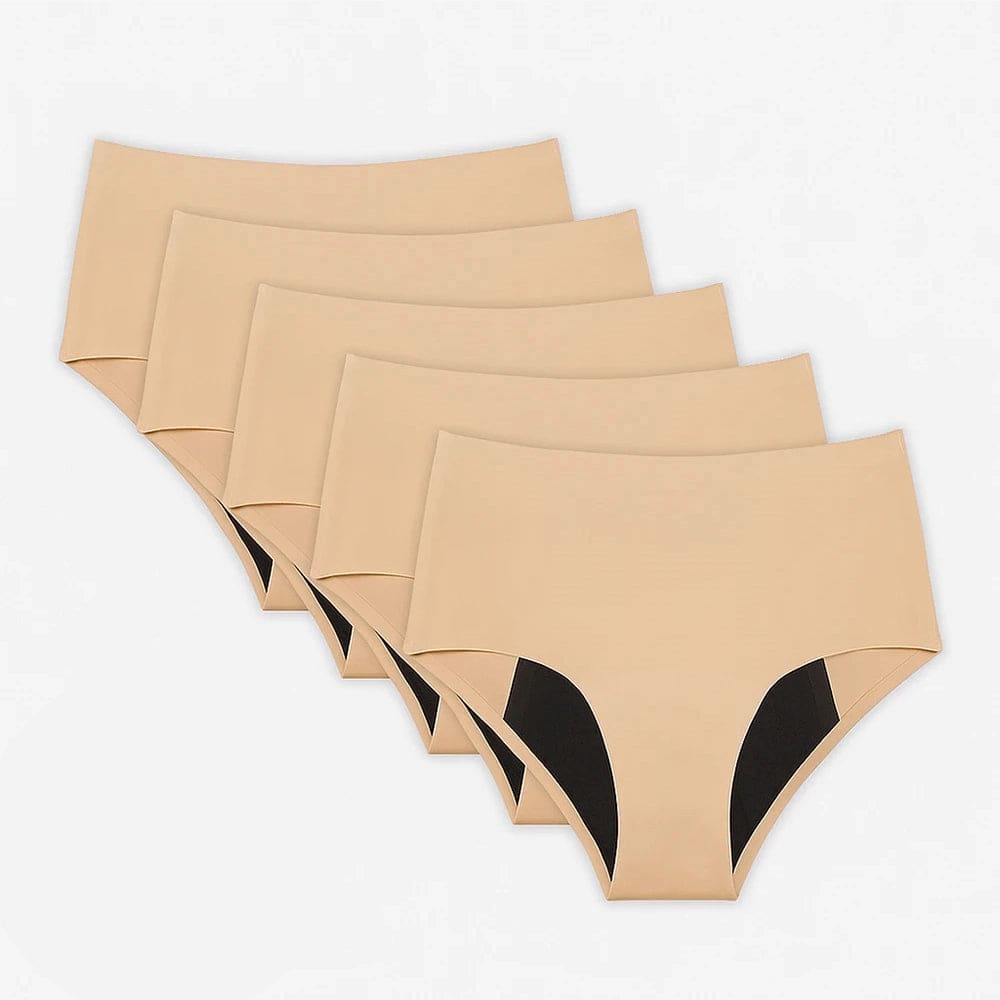
Active Defence Leakproof Underwear (up to 100ml)
$59.95
View Details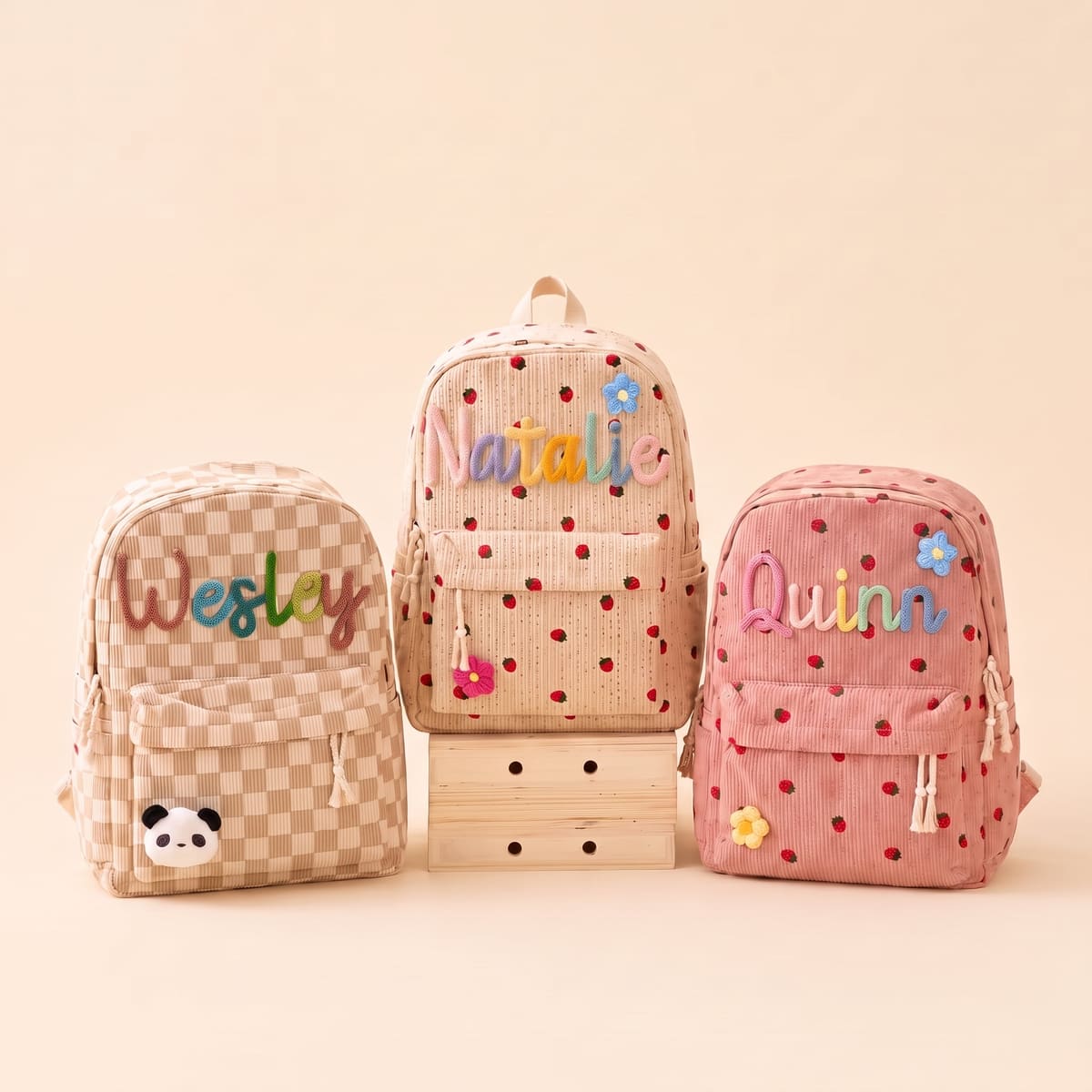
MamaRaya Personalized Patterned Corduroy Backpack
$42.99
View Details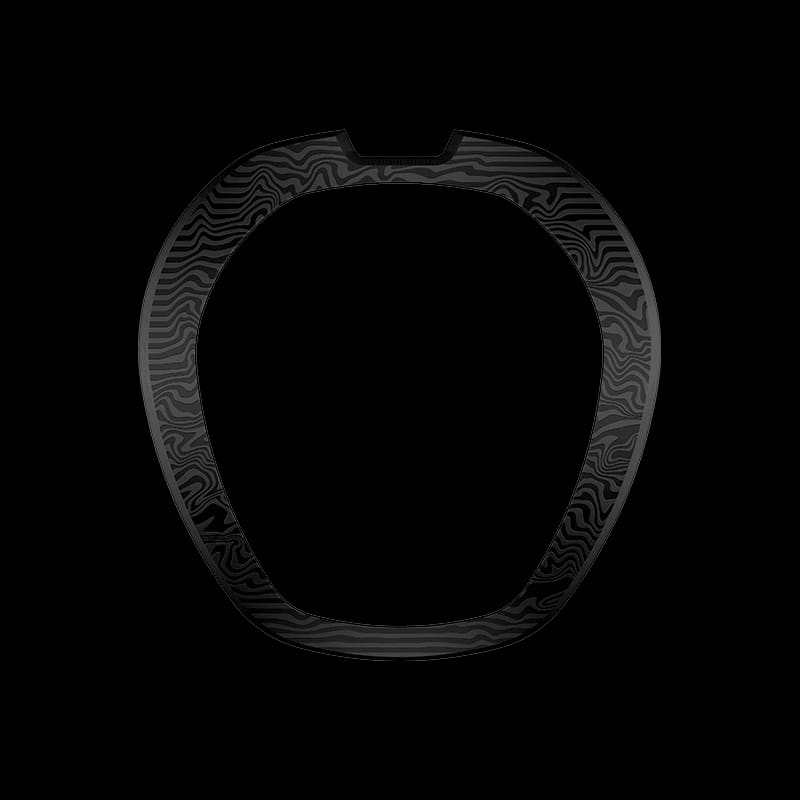
Reactor Interchangeable Bezel
$159.99
View Details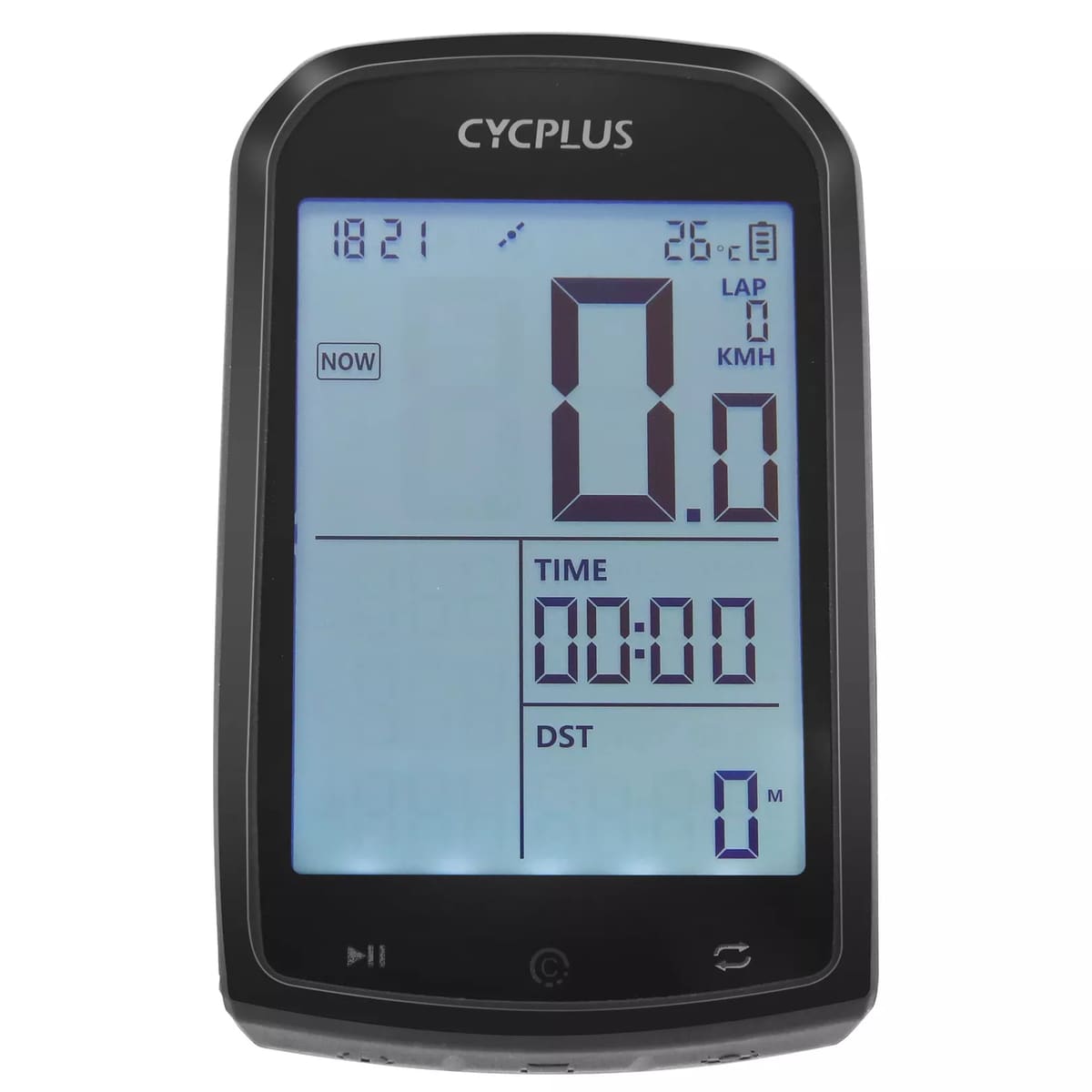
Intelligent Waterproof GPS Display
$49.90
View Details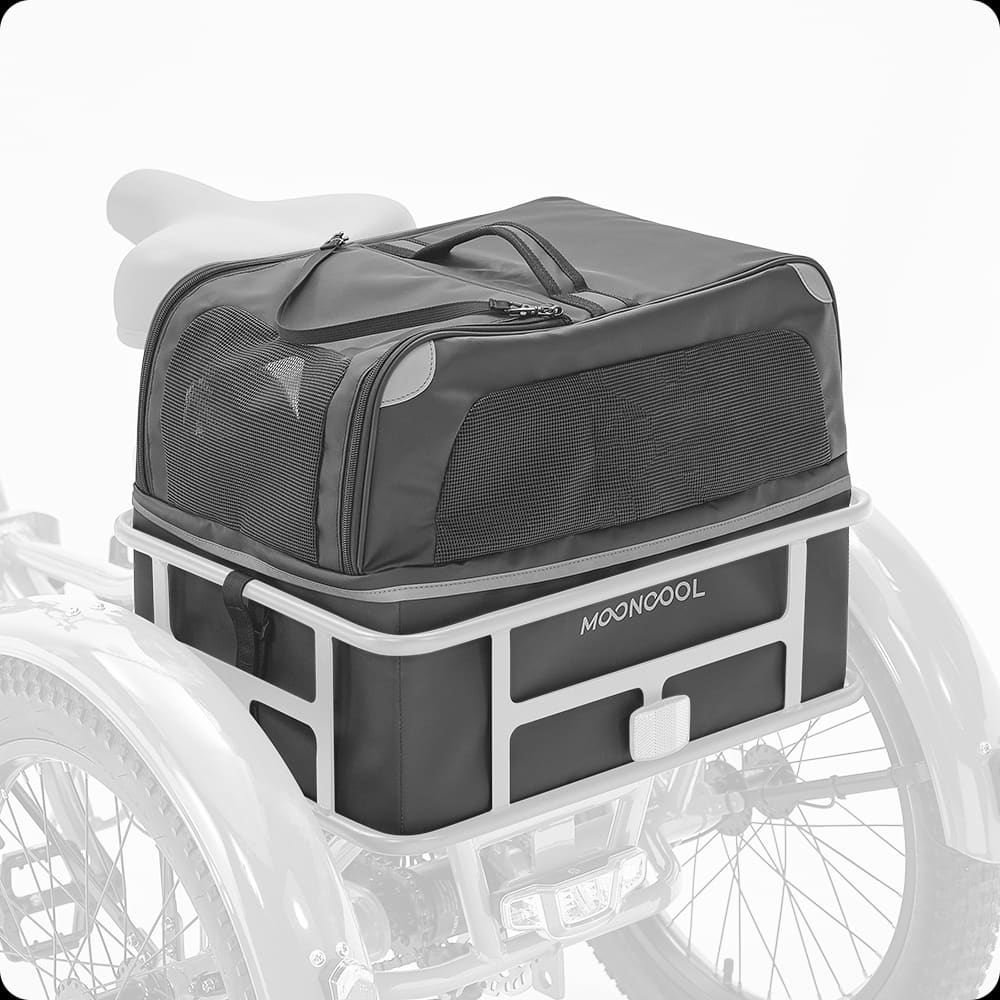
MC Rear Pet Carrier Select For TK1/TK1 Pro
$89.99
View Details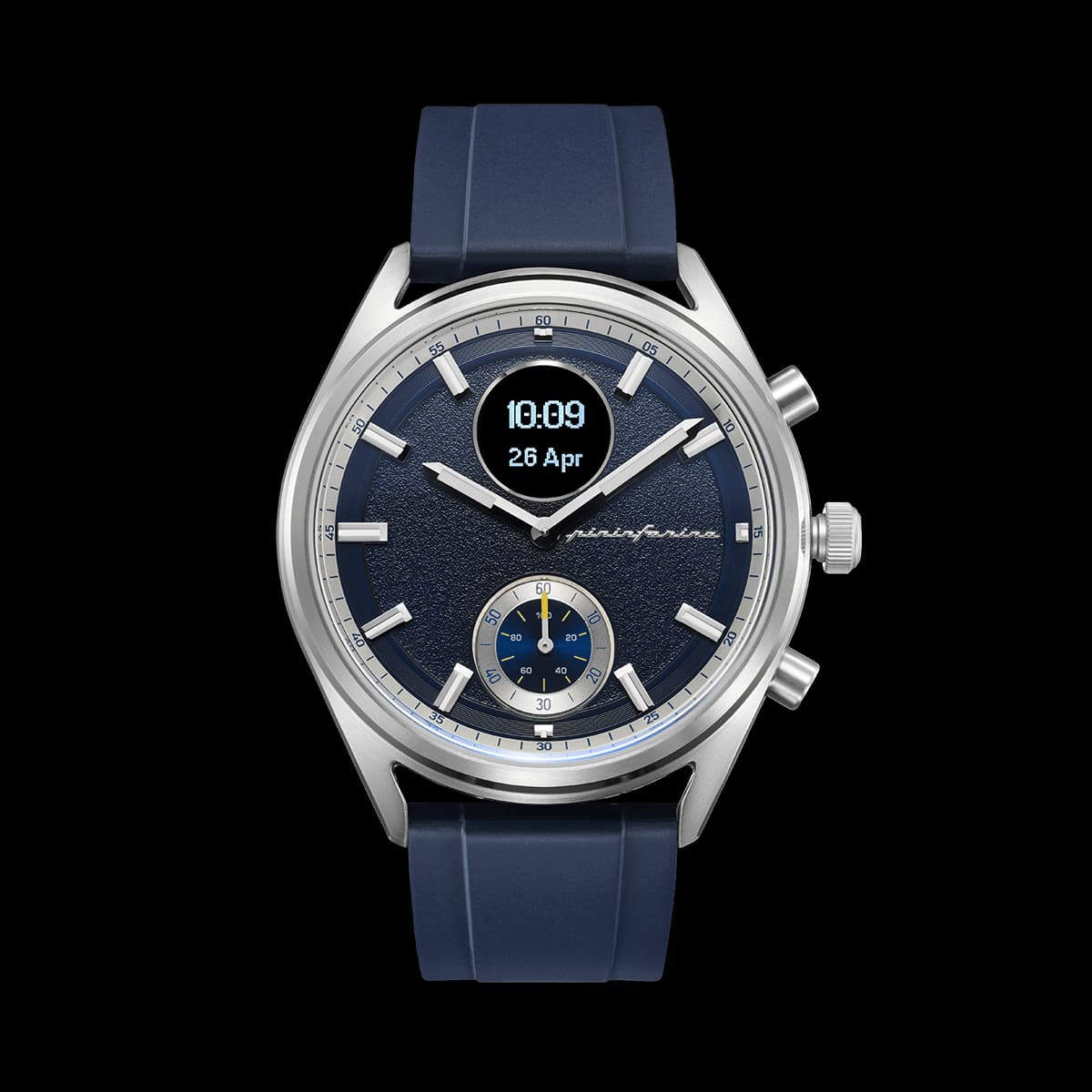
SINTESI Sport – Steel Sapphire
$179.00
View Details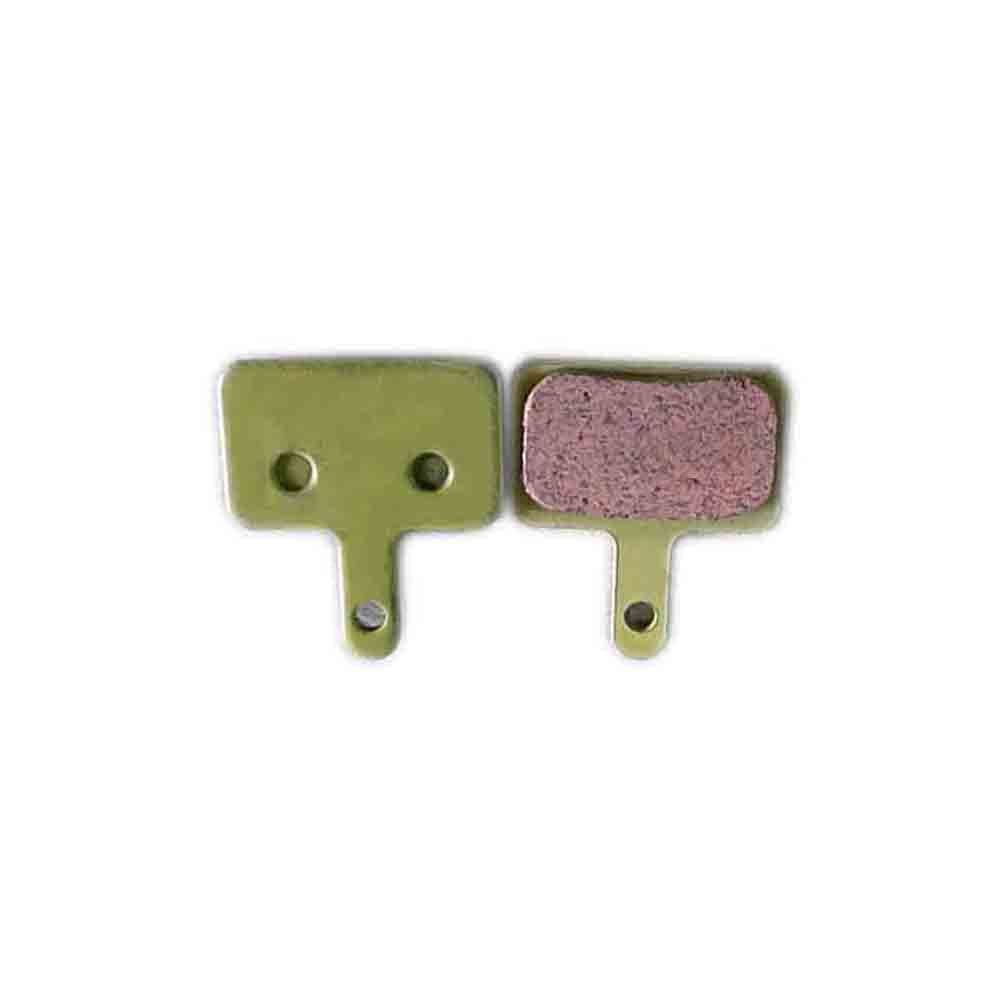
Original Brake Pads for BURCHDA All Models
$19.99
View Details