
Virginia Statehood
Virginia entered the Union as one of the most influential founding states, carrying extraordinary weight because of its size, leadership, and centrality to the constitutional debate itself.
How This State Entered The Union
Statehood is where constitutional structure meets regional history: the point where a place entered the Union as an equal state.
Admission To The Union
Virginia ratified the Constitution on June 25, 1788, becoming the tenth state and giving the new federal system one of its most important political anchors.
Path To Statehood
Its route ran from colony to revolutionary commonwealth and then into the new constitutional system through a contentious ratification debate that helped shape the federal bargain.
Why It Matters
Virginia matters because so much of the early republic depended on it: founding leadership, constitutional legitimacy, and the relationship between state power and national structure.
Worth a Look
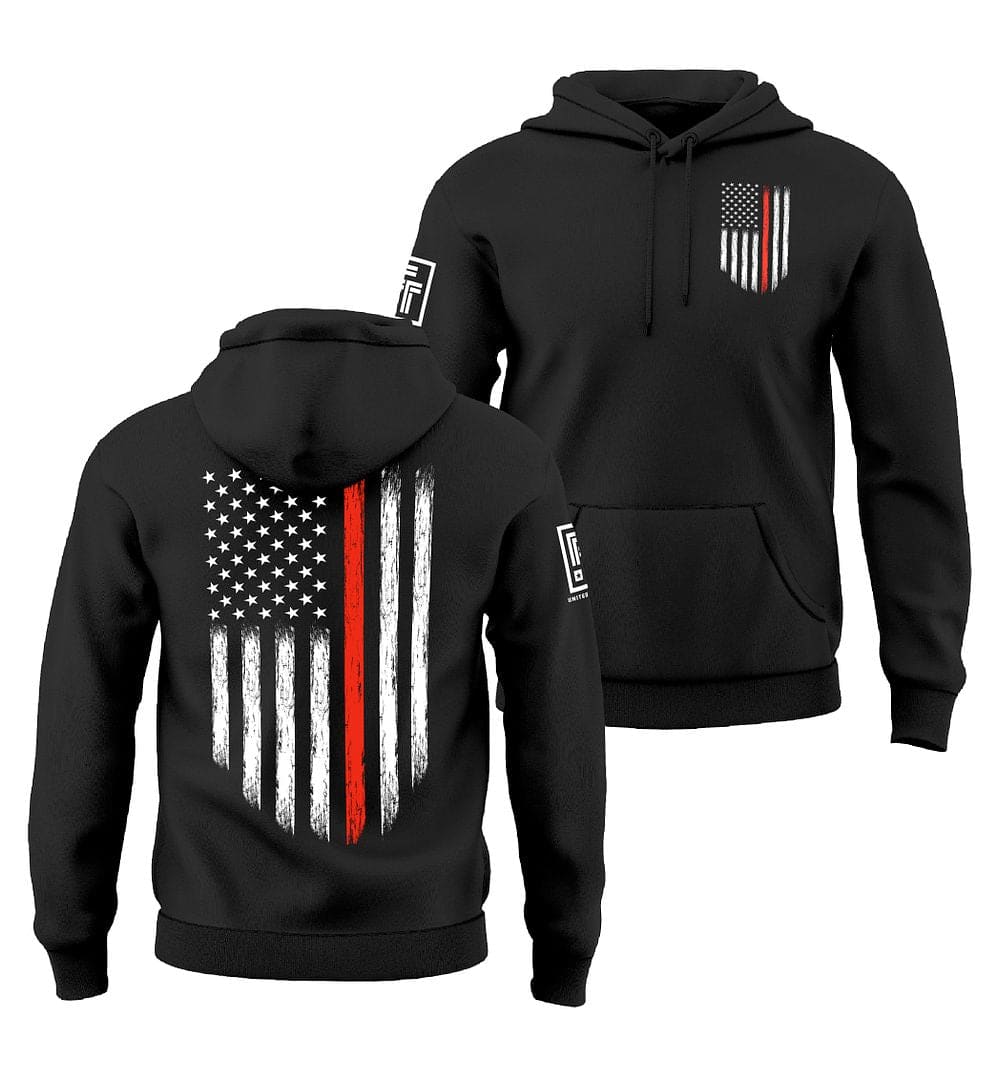
Thin Red Line Flag Sweatshirt
$44.95
View Details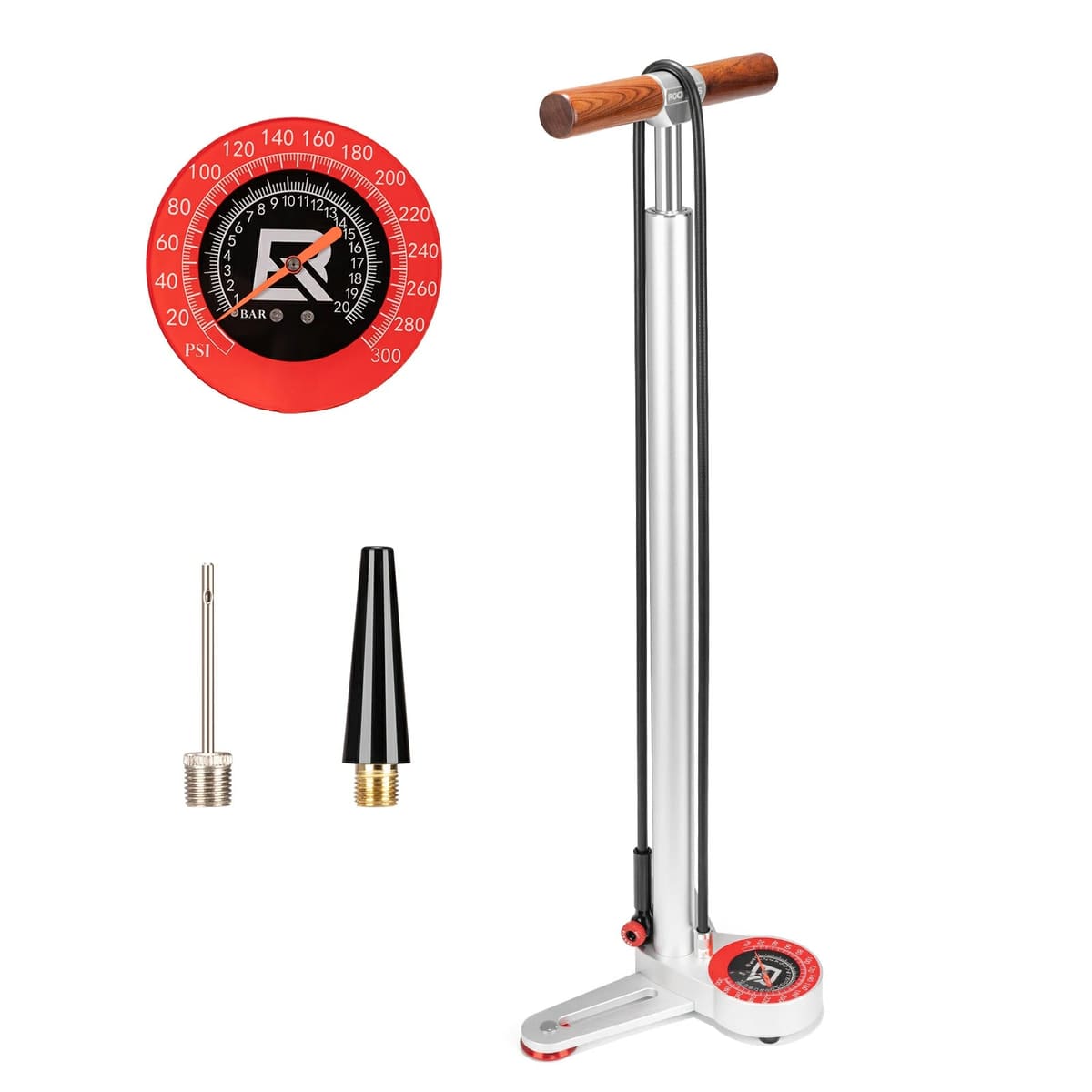
ROCKBROS 240PSI Classic Floor Drive 3.5 High Pressure Bicycle Floor Pump with Accurate 3.5" Analog Gauge – Silver
$139.99
View Details
Ravin R500 XK7
$2849.99
View Details
Pioneer Plus Dual Battery Electric Bike
$1999.00
View Details
FED Fitness Yosuda Series RM3 Magnetic Rowing Machine
$329.99
View Details
Lisse Compression Leggings
$150.00
View Details
Shirred Lounge Dress – Navy Blue
$17.50
View Details
UPHEAT 3-in-1 Heat Therapy Bundle
$149.99
View Details
Regenerative Support for Stem Cell Therapy
$144.90
View Details
Forget-Me-Not Charm Necklace Silver
$39.00
View Details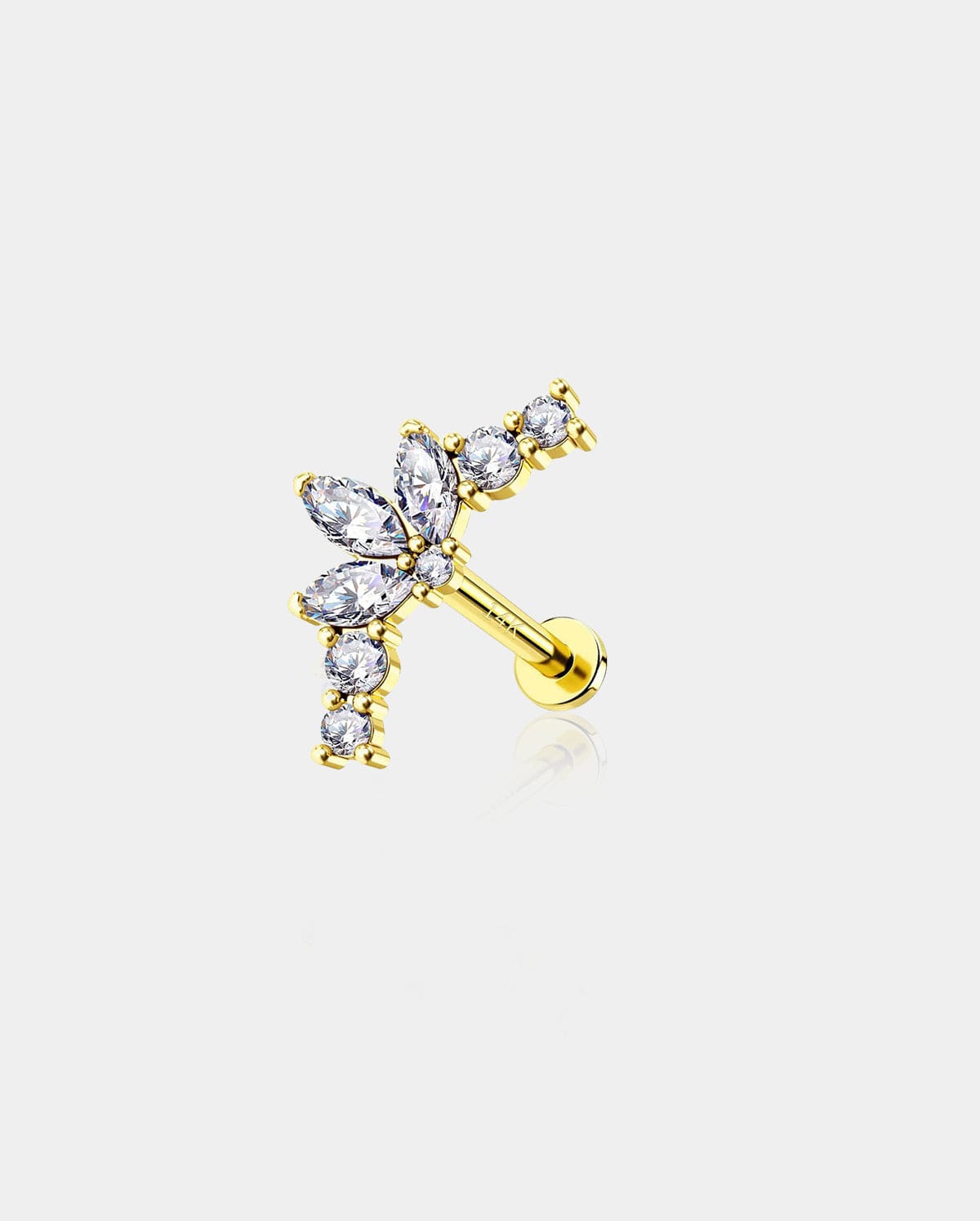
14K Gold Flower Petal CZ Labret Stud
$93.49
View Details
“Donkey Bingo Babe” – ASScoozie Design on FrostBuddy Universal Buddy | A Sweet Sip
$39.99
View Details
30PCS Collapsible Beach Toys Set for Kids Ages 3–10
$35.99
View Details
Veer
$49.99
View Details
Active Defence Leakproof Underwear (Black)
$31.95
View Details
MamaRaya Personalized Corduroy Pencil Case
$35.99
View Details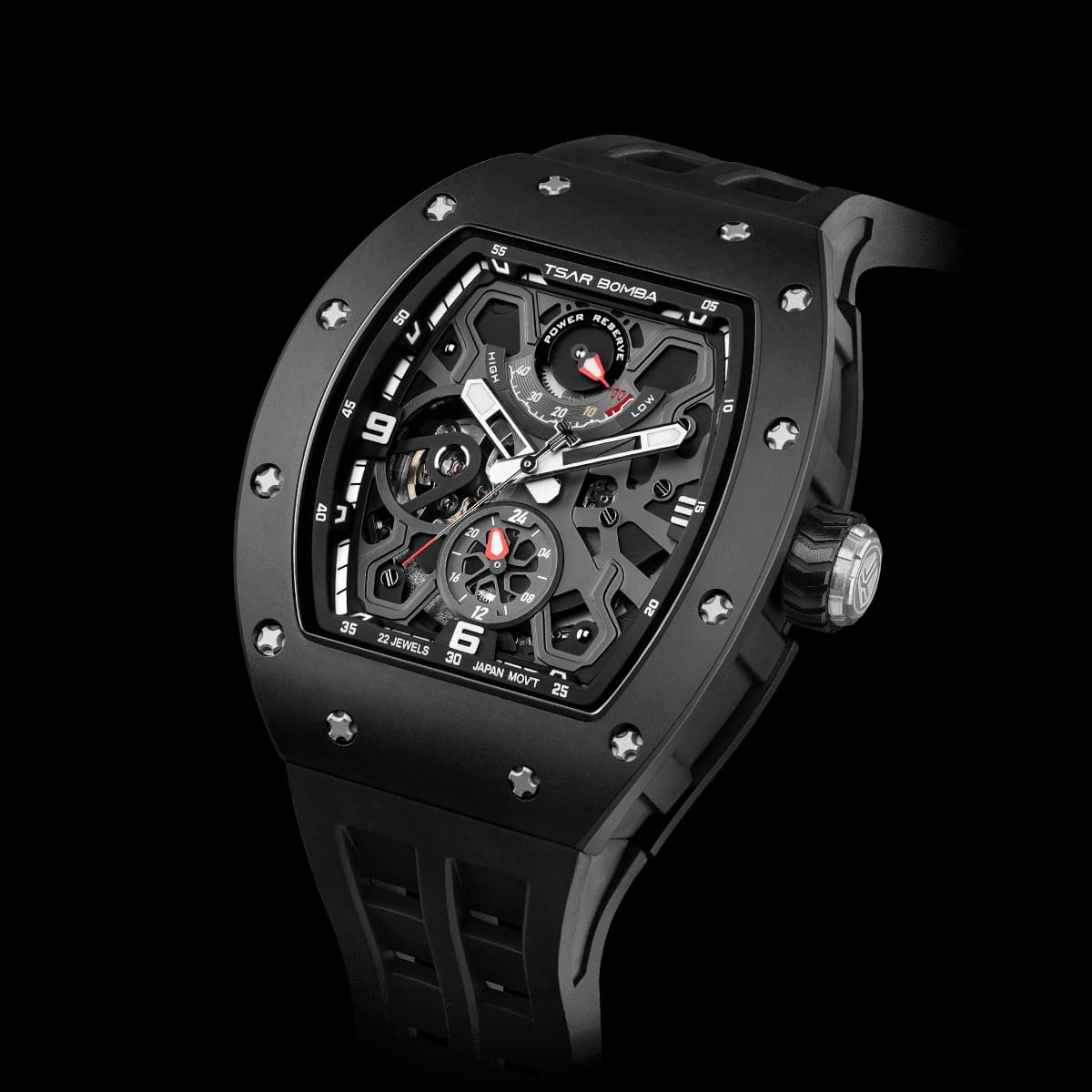
Elemental-TB8212
$999.99
View Details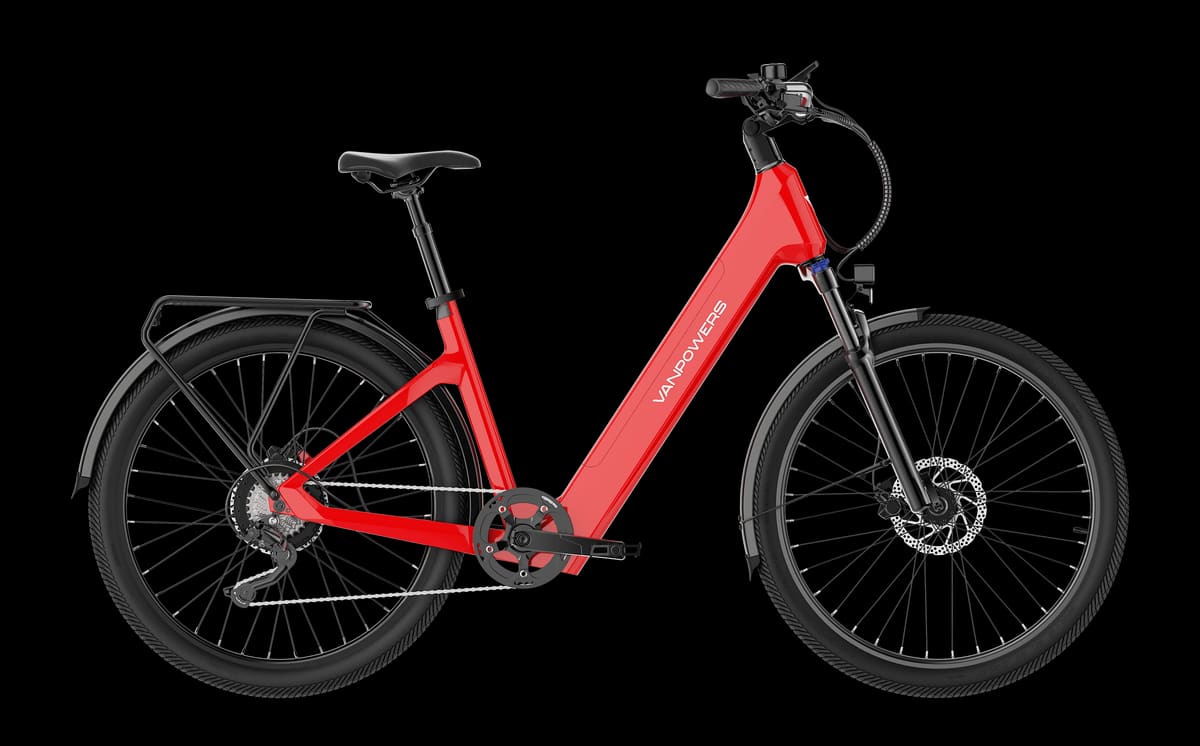
UrbanGlide-Pro
$1099.00
View Details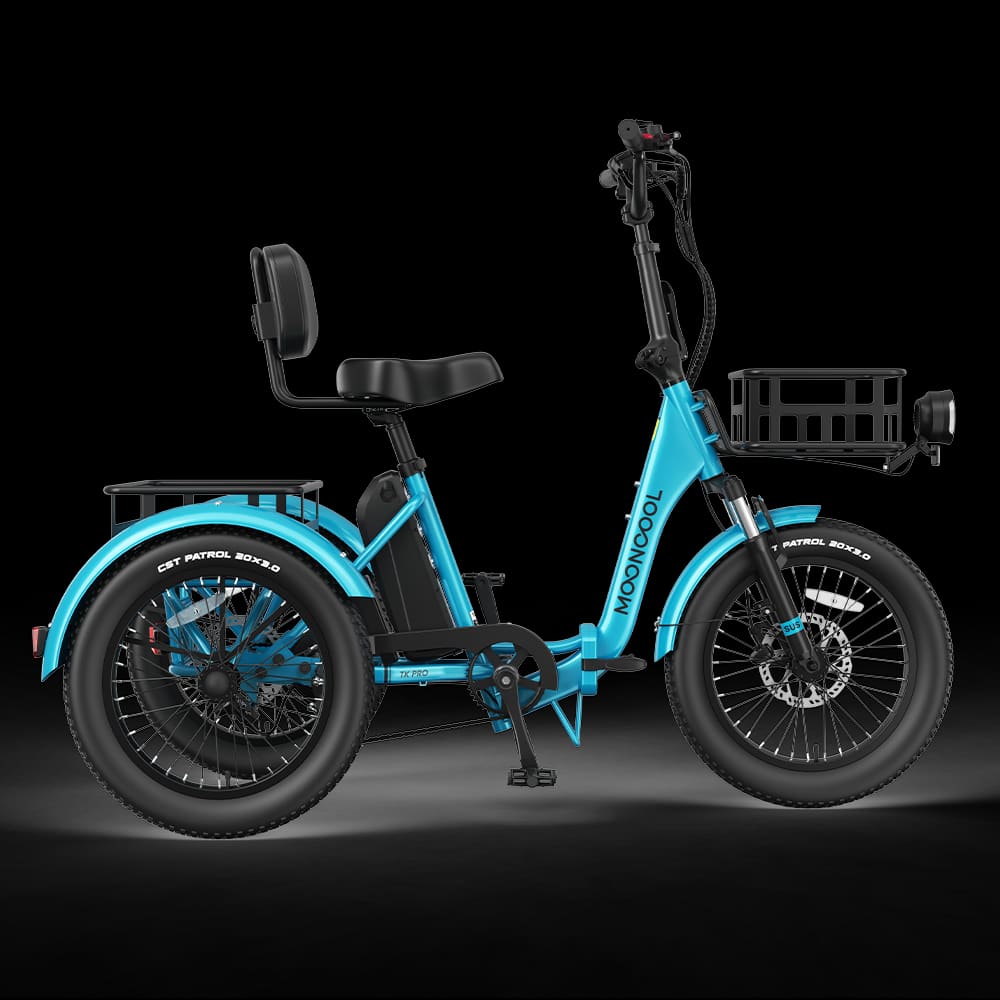
TK Pro Electric Trike
$1699.99
View Details
PININFARINA GENUINE ITALIAN LEATHER 22MM WATCH STRAP – Dressy Dark blue WITH STEEL BUCKLE
$34.00
View Details
Burchda RX20(2026 Upgraded)
$1039.00
View Details